 English
 Türkçe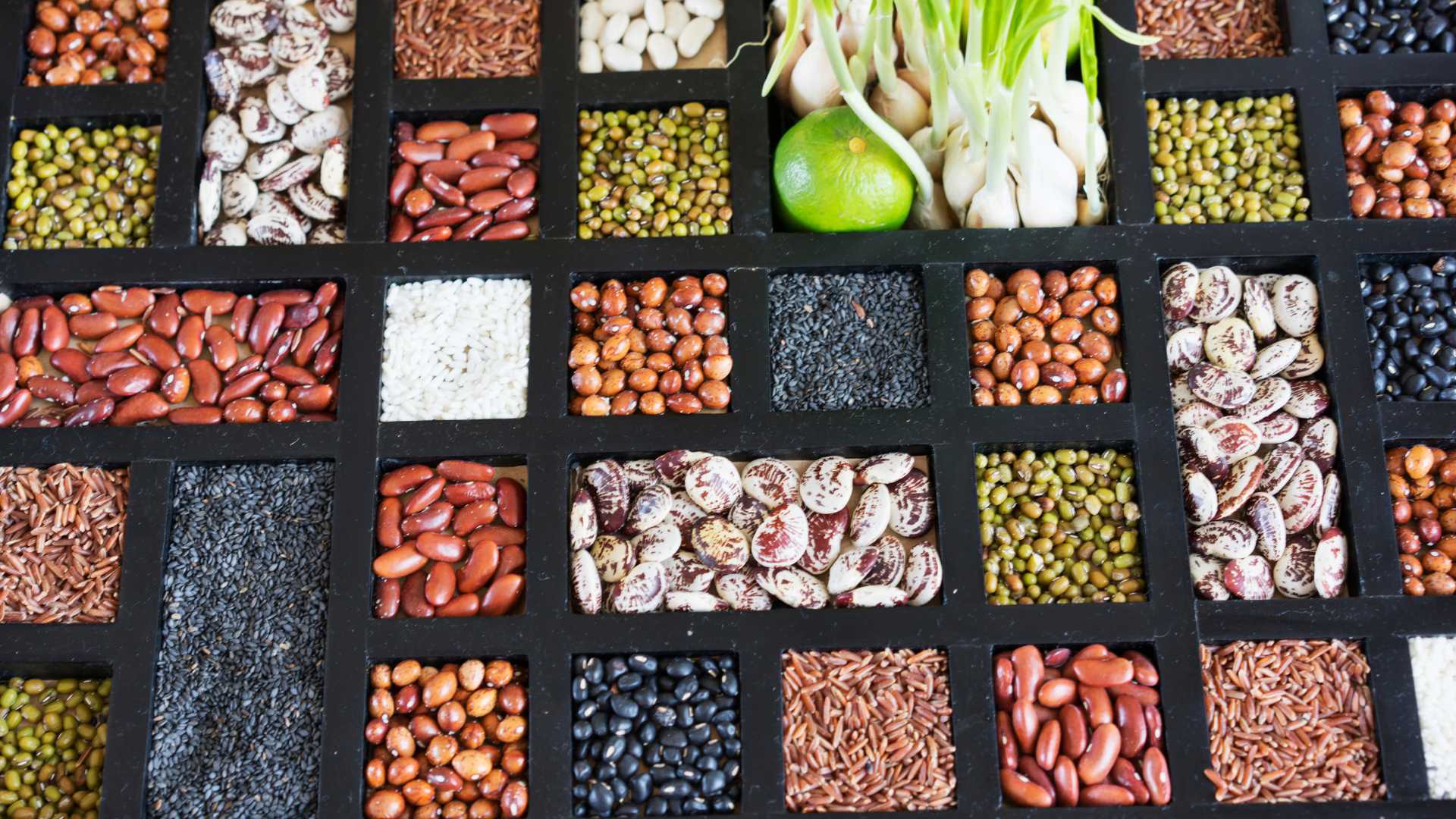
Why and How You Should Soak Your Seeds Before Sowing
Should you soak the seeds before putting them in the soil? Garden experts say it may be a matter of preference. The idea behind soaking is to speed up the germination rate. Seeds are designed to be durable in nature because conditions can be harsh for a small seed. Soaking some seeds before planting helps bypass this firewall.
Benefits of Soaking the Seed
- Starting and accelerating germination
- Purifying the seed from germination inhibitors
- Breaking the natural defense mechanism
- Increasing the chance of getting yield from seed
- Increasing the success rate by removing the unproductive seeds remaining on the water surface during the soaking process
How to Soak Seeds
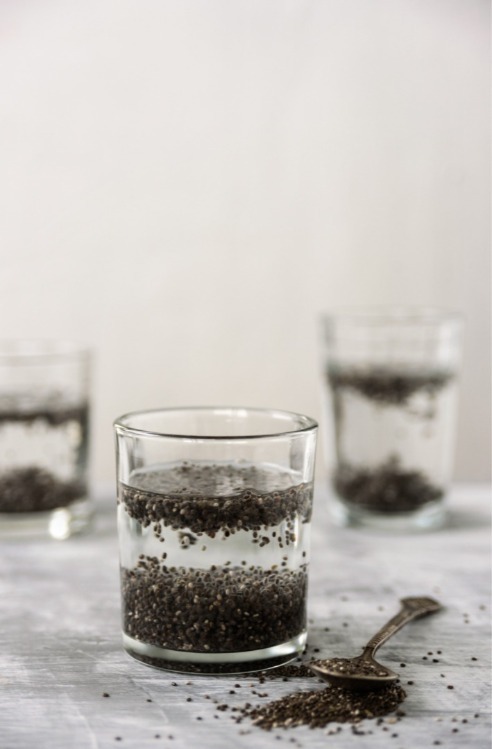
Use a regular bowl or jar to soak your seeds and fill them with warm water. Put the seeds in water and continue pre-soaking for 8-24 hours, depending on seed size. Try to use filtered water instead of tap water if available, and don’t let it stay in the water for more than 24 hours.
Seeds should be sown immediately after the seed soaking period is over. Never allow them to dry again as this will prevent their germination. After soaking and planting the seeds, be sure to keep the soil consistently moist during the first few weeks of growth. While your seeds are in this tender and young state, they should never dry out. When young, they need moisture near soil level as their roots extend only a few inches deep into the soil.
Are There Any Wetting Methods Other Than Soaking?
Seeds can also be germinated by other methods. Try placing smaller seeds, such as tomato or pepper seeds, on a damp paper towel or fine-textured moist vermiculite. Keep the media evenly moist using filtered water (not tap water). In this way, constant moisture helps seeds germinate. These seeds should not be submerged in water as they tend to stick together or break up if there is too much water. Seed starting is fairly simple using this method.
Let the seeds absorb the water and watch for signs of germination. Do not forget to spray water every 12 hours so that it does not dry out. As soon as the seeds germinate, transplant them into seed trays or directly into your garden. Note that seeds should generally be planted twice the width of the seed, unless instructed otherwise by your seed supplier.
Which Seeds Like Being Soaked Before Planting?
Some seeds need to be kept in water before planting: Peas, beans, pumpkins, zucchini, chard, beets, sunflowers, lupines, broad beans and cucumbers. Most other medium to large vegetable and flower seeds with thick skins will benefit from soaking.
Seed species with very small structures are generally not positively affected by being kept in water. Soaking in water can make this type of seeds stick together, making it difficult to plant, or may cause them to break apart in case of long waiting. Smaller seeds such as basil, chia, tomato, lettuce, foxglove, parsley are examples of this type of seed.

You may also like
More Than Just a Spice: The Healing Science of Rosemary

Drought-Tolerant Plants for Hot, Dry Gardens