 English
 Türkçe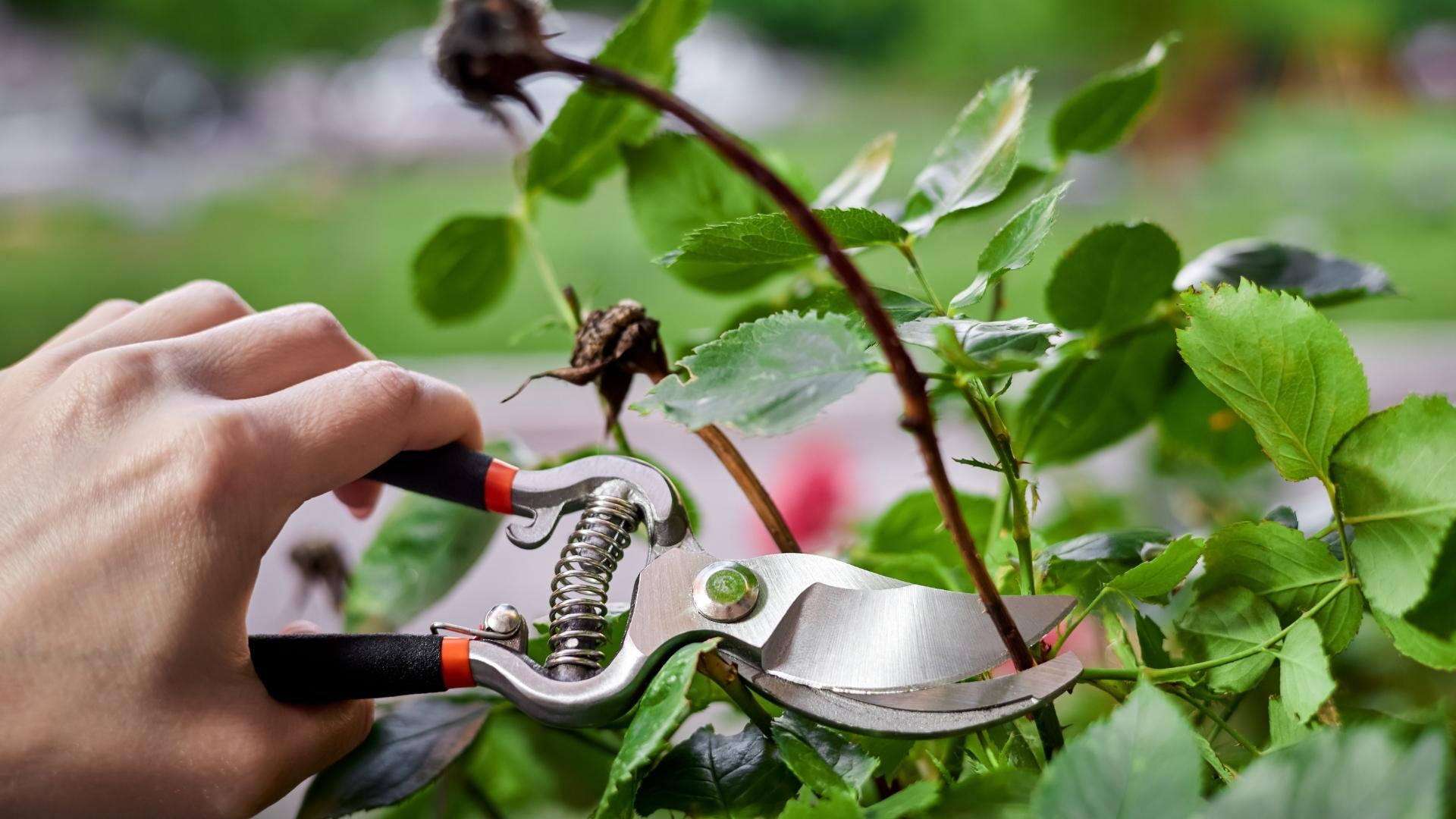
Autumn Pruning
It’s that time of year: days are getting shorter, mornings are getting cooler, and the greenery in the garden is gradually giving way to shades of yellow. While autumn may seem like a season of farewell for nature, it’s actually the beginning of renewal. One of the most important steps in this transformation is pruning.
Pruning isn’t just an aesthetic choice or a tidying up tool. It’s a biological intervention that directly affects plants’ energy cycles, photosynthetic efficiency, and root-stem balance.
Pruning in the fall allows plants to enter their winter dormancy more healthily. This is because during this period, plants are no longer actively growing and instead focus on conserving energy. Removing unnecessary shoots, diseased branches, or flower debris reduces the plant’s energy loss.
When and How to Prune?
Pruning too early encourages new growth—which increases the risk of frost during the cold winter months. Delaying pruning increases the risk of fungal and rot damage to woody tissues.
As a general rule, the 3–4 weeks before the first frost, between late September and early November, is the ideal time for most regions of Turkey.
Proper fall pruning:
- Reduces the risk of disease (especially fungal infections and pest nests),
- Prevents moisture-related problems by increasing air circulation,
- Preserves the plant’s shape and promotes the development of young shoots.
For species such as roses, lavender, hydrangeas, fruit trees, and climbing plants, fall pruning isn’t just maintenance; it’s an investment in next year’s blooms.
Which Species, When, and How Much?
Rose (Rosa spp.)
Roses require a gentle approach to fall pruning. While the main pruning is done in spring, it’s important to remove diseased or broken branches in the fall. Wilted flowers and inward-facing shoots are removed. Removing the remaining leaves after pruning prevents fungal spores from overwintering.
Pruning Period: Mid-October – Early November
Pruning Rate: 25–30%
Fruit Trees (Apple, Pear, Plum)
Diseased and weak branches are removed. Pruning that preserves the main scaffolding branches both balances the tree’s center of gravity and increases next year’s yield. Shoots that grow vertically and toward the center of the tree are pruned. However, on young trees, the main trunk and scaffolding branches should be left in the forming stage. Applying a natural paste (e.g., with propolis) to the cuts reduces the risk of infection. Rejuvenation pruning should be done in late winter.
Pruning Period: Post-harvest – Early November
Pruning Rate: 20–30%
Lavender (Lavandula spp.)
Lavender does not resprout from its woody base. Therefore, when pruning, always prune to green, living tissue. A small layer of gravel or dry mulch is helpful to retain soil moisture after pruning.
Pruning Period: Post-flowering – Late September
Pruning Rate: 20%
Hydrangea (Hydrangea spp.)
Species differentiation is crucial for hydrangeas. Hydrangea macrophylla (large-flowered hydrangea) produces flower buds in late summer; therefore, deep pruning in the fall will result in flower loss. However, species that bloom on new shoots, such as Hydrangea paniculata (panicle hydrangea), can be pruned safely.
Pruning Period: After flowers fade – October
Pruning Rate: Light (older branches)
Vines and Climbers (Vitis, Wisteria)
In vines, fall pruning is a prelude to winter pruning. During this period, shorten overly long, inward-pointing, or interfering shoots; however, determine the number of buds to leave on fruit buds in spring. Shorten new shoots to improve air circulation in winter. Excessive branching reduces spring flowering.
Pruning Period: After leaf fall
Pruning Rate: Medium–Vigorous
Herbaceous Perennials (Echinacea, Rudbeckia, Peonies)
Remove dead parts completely, add mulch to protect the roots.
Pruning Period: Before the first frost
Pruning Rate: Completely (close to the ground)
Conifers (Juniper, Thuja, Leylandi)
Do not over-prune; shoot regeneration is slow in woody parts. A form correction is sufficient.
Pruning Period: Mid-September
Pruning Rate: Light
Proper Pruning Principles
Nature views restriction not as a punishment, but as a prerequisite for renewal. Fall pruning is the garden equivalent. No matter what species you’re dealing with, the main goal is always the same: to direct the plant’s energy in the right direction. Always follow these five principles when pruning:
- Choose The Right TimeStart pruning 3–4 weeks before the first frost in your area. This allows the plant to close the wound tissue before it starts to develop new shoots.
- Keep Your Tools Sterile
Clean pruning shears with alcohol or diluted bleach. Diseases are usually transmitted through the cut surface; sterile tools are essential for a healthy garden.
- Know How Much to Cut
A general rule of thumb: remove no more than one-third of the plant’s total volume. Over-pruning disrupts the root-stem balance and impairs growth in the spring.
- Prioritize
First remove branches that show signs of disease, are dead, or are rubbing together. Afterward, make shaping cuts to maintain the plant’s shape.
- Finish with Soil and Mulch
After pruning, spread a thin layer of compost or mulch around the roots. This will keep the soil moist and support microorganisms throughout the winter, keeping the roots warm.

You may also like
What is Neem Oil and How to Use It on Plants