 English
 Türkçe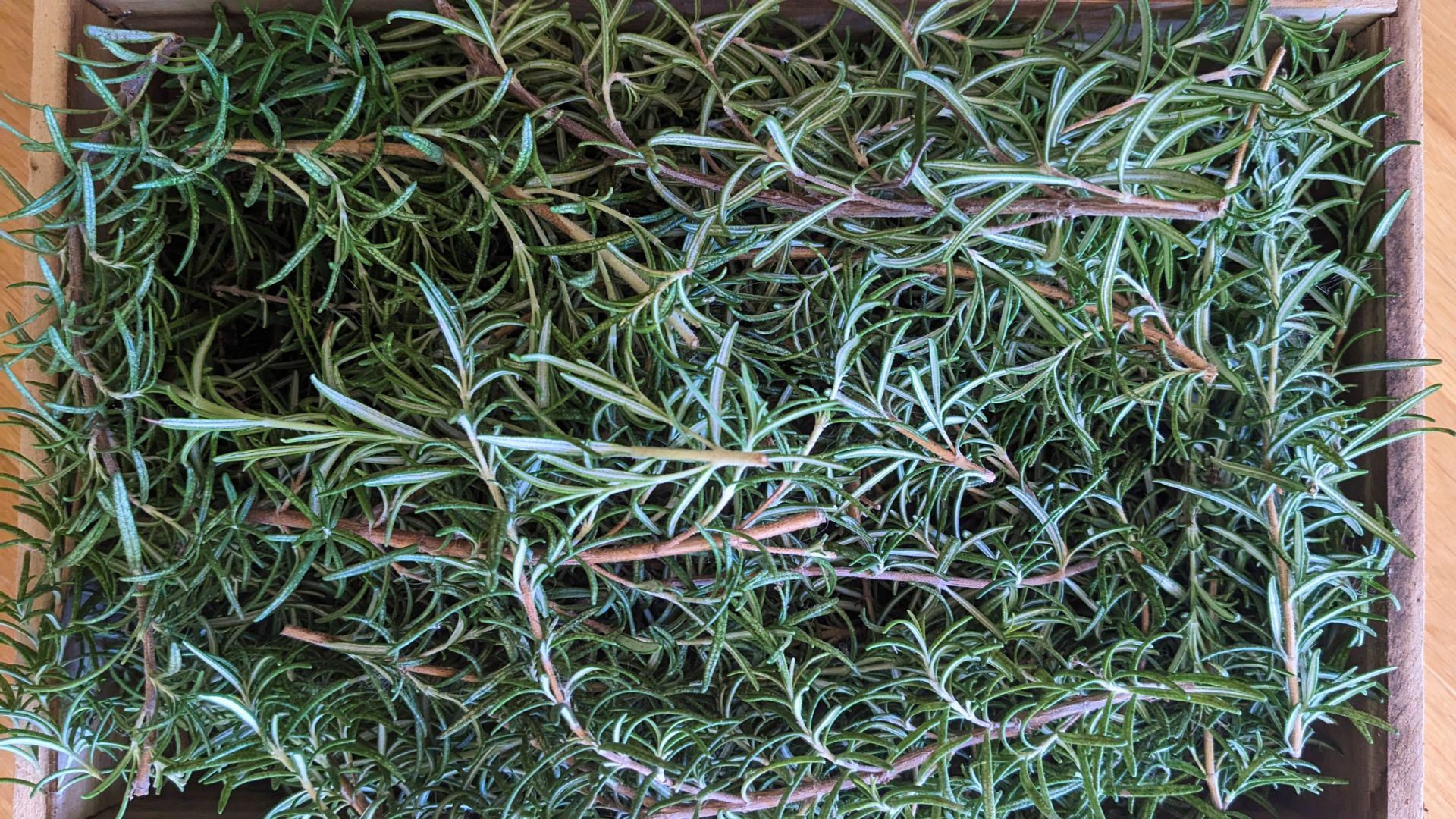
Fresh Rosemary Storage and Sweet & Savory Recipe Suggestions
The aromatic scent of freshly harvested rosemary fills the air, and you’re wondering what to do with so much rosemary that you won’t be able to use it all in a week.
This blog post covers everything from simple short-term and long-term storage solutions to creative recipes, ensuring your rosemary harvest enriches your meals year-round.
Simple and Effective Storage Tips
Why is proper storage important?
Rosemary’s distinctive characteristic lies in its monoterpenes, or essential oils, which give it its unique pine aroma and flavor. If not stored properly, these oils evaporate, and the plant loses its flavor. However, with a few simple techniques, you can extend its shelf life from a few days to over a year.
Short-term storage (to keep fresh for two weeks)
If you plan to use the rosemary within a week or two, refrigeration is the most suitable storage method for you.
Damp Paper Towel Method (Short Term)
This is the easiest way to preserve freshness for regular use. If you cook with rosemary a few times a week, this is the ideal method for you.
Instructions:
- Soak the rosemary sprigs in cold water with baking soda, rinse under cold water, and dry.
- Dampen a paper towel and wring out the excess water.
- Spread the rosemary sprigs evenly on a damp paper towel.
- Gently wrap the rosemary sprigs in a towel and place them in a resealable plastic bag or airtight container.
- Keep refrigerated.
Shelf life: A maximum of 2 weeks.
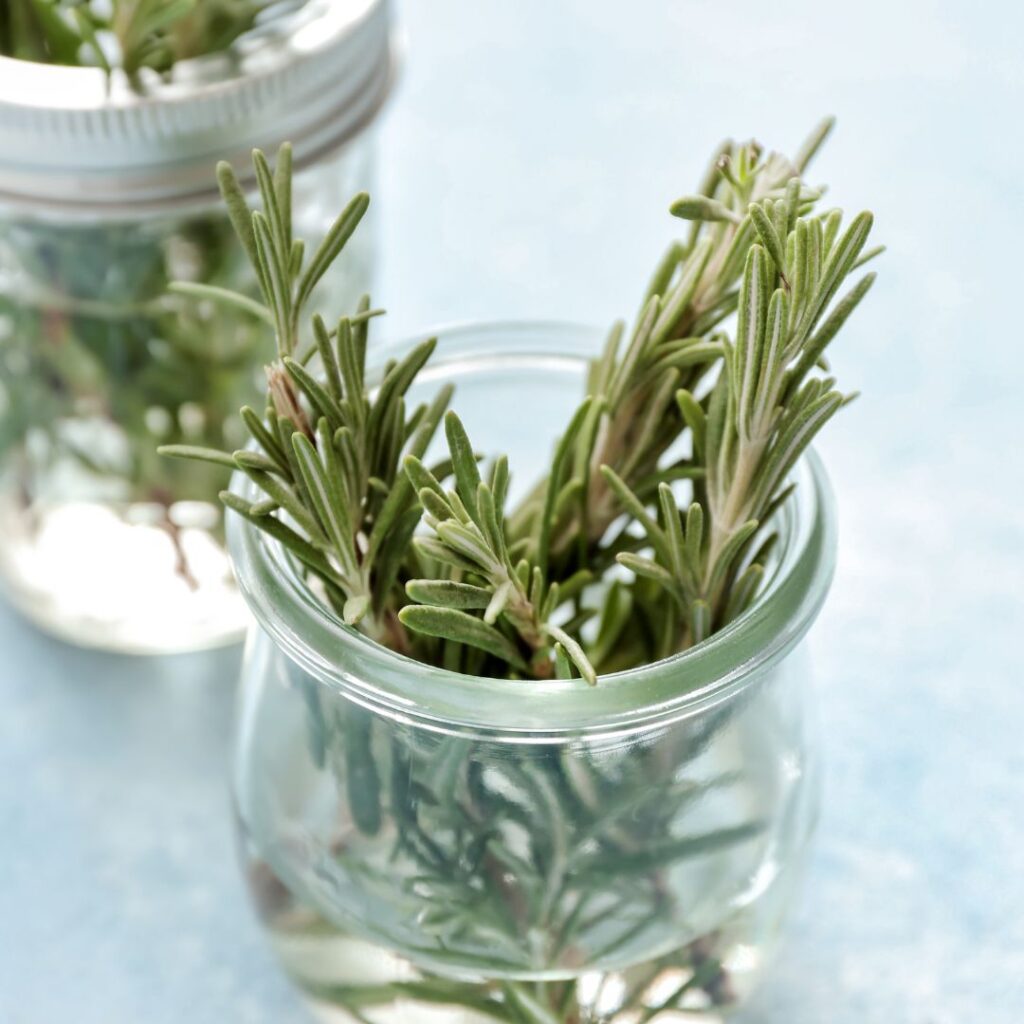
Jar Method (Short Term)
This method ensures that the rosemary looks and smells just like it’s freshly picked. It’s perfect if you want to enjoy its aroma in your kitchen.
Instructions:
- Trim the ends of the rosemary stems at a slight angle so they can absorb water better.
- Place the stems upright in a glass jar filled with approximately 2.5 cm of fresh water.
- Loosely cover the rosemary sprigs with a plastic bag to trap moisture.
- Change the water every two days to prevent bacterial growth.
Shelf life: A maximum of 2 weeks.
Long-Term Storage (Up to One Year)
Freezing (Long Term)
Rosemary is a cold-resistant herb and is excellent for freezing. It’s a great way to preserve a large harvest of rosemary.
Two Methods:
- All branches: Arrange clean, dried rosemary sprigs in a single layer on a baking sheet and freeze for several hours. Once completely frozen, transfer to a freezer bag or airtight container. This prevents the sprigs from sticking together and allows you to remove individual sprigs as needed.
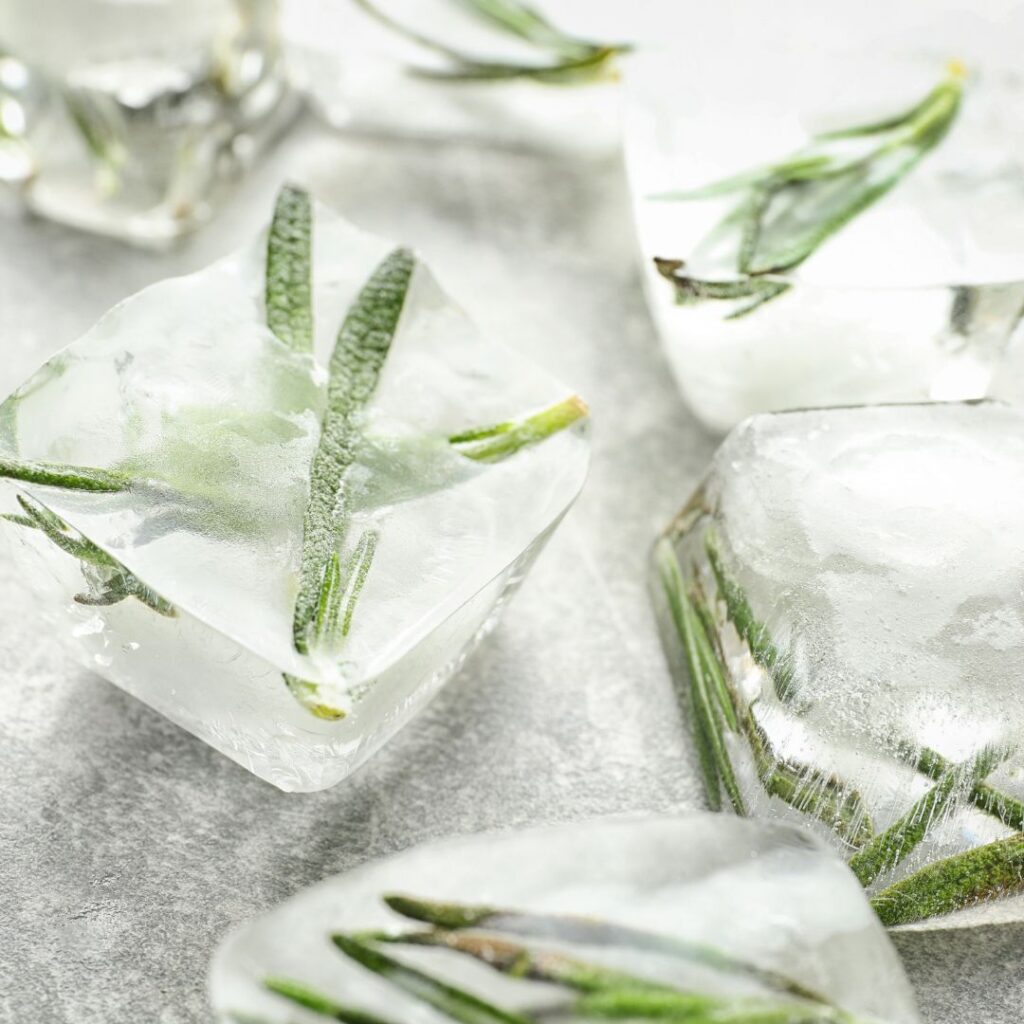
- Ice Molds: Finely chop the rosemary leaves and distribute them into the compartments of an ice cube tray. Fill with water or olive oil and freeze. You can add these flavorful cubes directly to soups, stews, or baking dishes.
Shelf life:For best flavor, let it sit for up to a year.
Drying (Long Term)
Drying rosemary intensifies its aroma and is easy to do. Remember that dried rosemary is more potent than fresh rosemary; use about 1 teaspoon of dried rosemary for every 1 tablespoon of fresh rosemary called for in a recipe.
Three Methods:
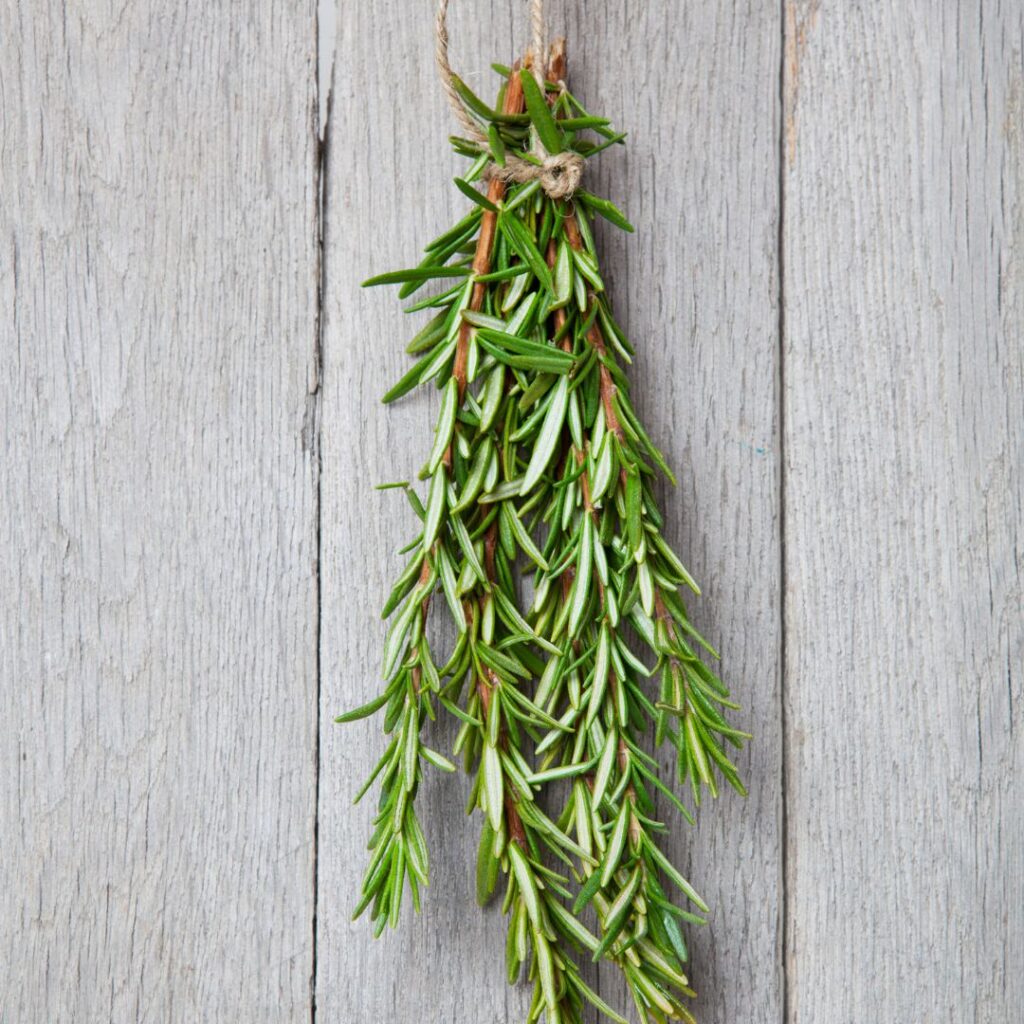
- Air Drying: Tie the rosemary sprigs together in small bundles and hang them upside down in a warm, dark, well-ventilated place away from direct sunlight. It may take several weeks for the leaves to become fully brittle.
- Oven Drying: Place the clean, dry branches on a baking sheet lined with parchment paper. Dry them in your oven at the lowest setting (ideally below 40°C) for 2-4 hours. Monitor them closely to prevent burning.
- Dryer: Arrange the rosemary sprigs in a single layer on the trays of a food dehydrator. Dry at 35-40°C for 2-4 hours, or until the needles become brittle and easily separate from the stem.
Simple and Effective Recipes (Savory and Sweet)
Once you’ve mastered the storage techniques, it’s time to enjoy your harvest. Rosemary’s strong and distinctive aroma pairs perfectly with a wide variety of dishes – and yes, even desserts!
Rosemary and Parmesan Baked Potatoes

This recipe is a tasty and easy side dish that highlights the harmony of rosemary with roasted vegetables.
Contents:
- 1 kg sweet or regular potatoes, peeled and diced.
- 1.5 tablespoons of olive oil
- ½ teaspoon garlic powder
- ½ tablespoon chopped fresh rosemary
- ¼ cup grated Parmesan cheese
- ¼ teaspoon black pepper
Instructions:
- Preheat the oven to 200°C.
- Place the potatoes in a large mixing bowl and drizzle with olive oil, stirring until evenly coated.
- Sprinkle with garlic powder, chopped rosemary, Parmesan cheese, and black pepper. Mix until evenly coated.
- Pour into a wide-sided baking pan and bake in a single layer for 20-30 minutes, or until the potatoes are soft enough to be easily mashed with a fork and lightly browned.
- Serve immediately.
Rosemary Syrup

Fresh rosemary isn’t just for savory dishes; it’s also ideal for making a wonderful herbal syrup perfect for cocktails, lemonade, or iced coffee.
Contents:
- 1 glass of water
- 1 cup of sugar
- 3-6 sprigs of fresh rosemary
Instructions:
- Combine the water and sugar in a small saucepan over medium heat. Stir frequently until the sugar is dissolved.
- Add the rosemary sprigs and bring the mixture to a boil.
- Bring to a boil for one minute, then reduce the heat and simmer for about 10 minutes, or until the flavors are tender.
- Remove from heat, let cool completely, then strain the rosemary.
- You can store the syrup in an airtight container in the refrigerator for up to two weeks.
Rosemary Flatbread
These buttery, crispy cookies, lightly scented with rosemary, are elegant and incredibly easy to make. They’re perfect with tea or as a light dessert.
Contents:
- 1 pack of active yeast
- 1/4 cup plus 1/3 cup lukewarm water, divided in two.
- 2 cups all-purpose flour, divided in half.
- 1 tablespoon of olive oil
- 1 teaspoon chopped fresh rosemary
- 1/2 teaspoon salt
Instructions:
- In a small bowl, dissolve the yeast in 1/4 cup of warm water. Add the 1/4 cup of flour and stir until almost smooth. Let stand for 30 minutes, or until bubbles form.
- Place the remaining flour, remaining lukewarm water, oil, rosemary, and salt in a food processor; add the yeast mixture. Process until the dough forms a ball. If necessary, knead the dough intermittently for another minute.
- Transfer to a greased bowl, swirl once to grease the top as well. Cover and let it rise in a warm place for about 1 hour, or until it doubles in volume.
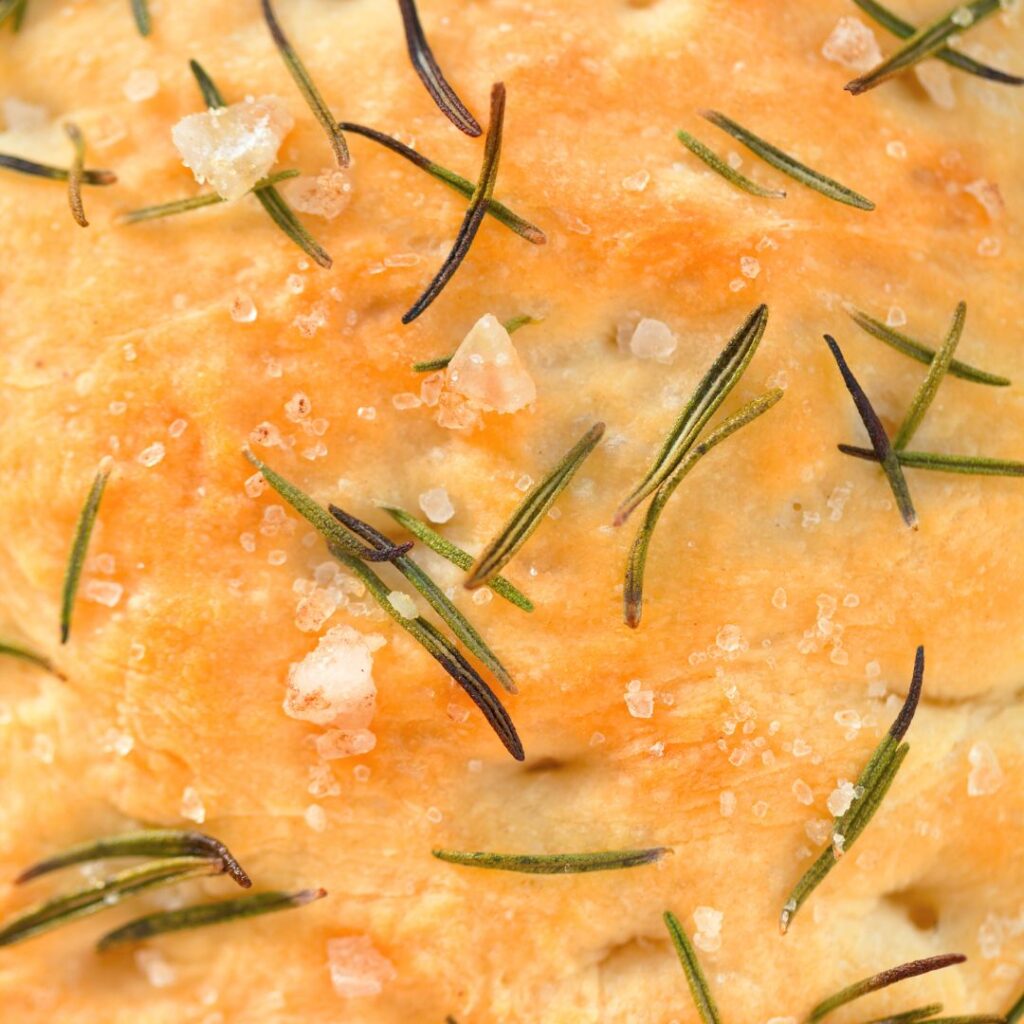
- Preheat oven to 200°C. Knead the dough. Transfer to a lightly floured surface; divide the dough into 6 pieces and shape them. Place each ball on greased baking sheets in a 12.5 cm diameter circle. For the topping, brush with oil; sprinkle with rosemary and salt. Bake for 8-12 minutes, or until golden brown. Serve hot.
Rosemary and Olive Oil Cake
This moist, rustic cake pairs perfectly with olive oil and rosemary, and its texture stays soft for days. It’s a great option for brunch, dessert, or an afternoon snack.
Contents:
- 1.5 cups all-purpose flour
- 1 cup of powdered sugar
- ½ teaspoon baking soda
- ½ teaspoon of salt
- 3 large eggs
- 1 cup extra virgin olive oil
- 1 cup of whole milk
- 1 tablespoon finely chopped fresh rosemary
- Grated zest of 1 lemon (optional but highly recommended)
Instructions:
- Preheat oven to 175°C. Grease a 23 cm diameter round cake tin or springform pan and line the bottom with baking paper.
- In a medium bowl, whisk together the flour, sugar, baking powder, baking soda, and salt until well combined.
- In a large bowl, whisk the eggs until frothy. Add the olive oil and then gradually add the milk, whisking constantly until well combined.
- Add the dry ingredients to the liquid ingredients and stir just until combined (do not overmix).
- Add the chopped rosemary and lemon zest and stir.
- Pour the batter into the prepared mold and smooth the top.
- Bake for 35-40 minutes, or until a toothpick inserted into the center comes out clean. Let cool in the pan for 15 minutes, then invert onto a wire rack to cool completely.

Bonus: Rosemary Infused Sugar
To make cooking even easier, prepare rosemary-flavored sugar, an ingredient you should always have in your kitchen.
Instructions:
- Place two cups of granulated sugar and a quarter cup of fresh rosemary leaves (stems removed) into a food processor.
- Blend the rosemary until it is finely ground and the sugar is fragrant and has a light green color.
- Spread the sugar on a baking sheet and let it dry for a few hours (or overnight) to prevent lumps from forming.
- Store in an airtight jar. Use in cookies, cakes, or to flavor tea and cocktails.

You may also like