 English
 Türkçe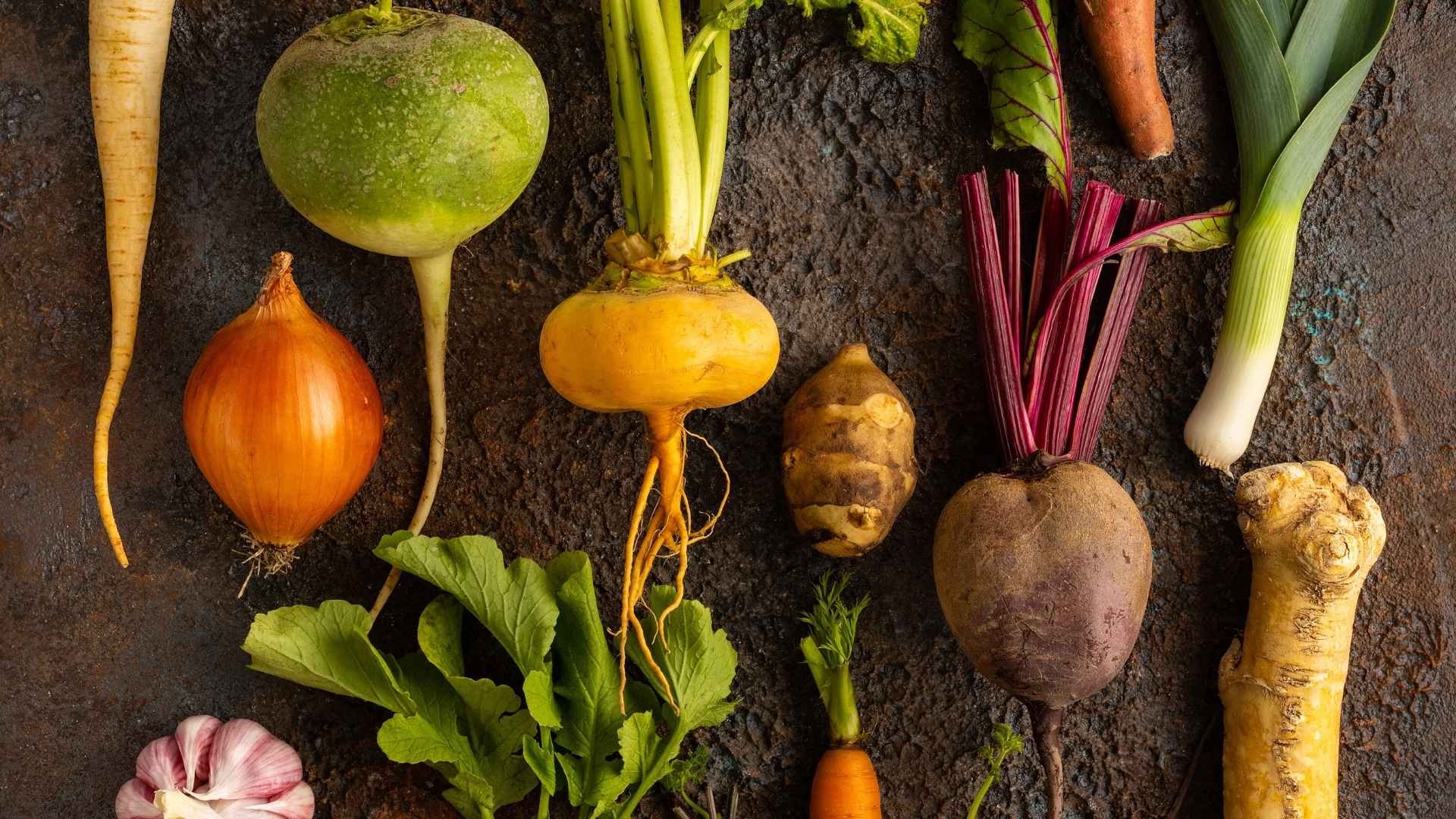
Winter Gardening: Winter Vegetables You Can Plant in Fall
Suppose you had the last summer getaway holidays and returned to your homes. In that case, it is time to get tips on preparing balconies and gardens for winter and growing healthy organic winter vegetables.
Winter gardening is a rewarding endeavor that differs significantly from the more familiar practice of summer gardening. The contrasts between these two gardening seasons extend across various aspects, including climate, plant selection, soil management, watering needs, pest control, and protection strategies. Understanding these differences and adapting gardening practices is crucial for cultivating a thriving winter garden.
Seasonal Differences in Winter Gardening
As you know, winter gardening is very different from summer in terms of climate, plant selection, soil care, irrigation needs, and pest control:
Climate and Temperature: Winter gardening focuses on vegetables and herbs such as kale, spinach, carrots, garlic, cauliflower, broccoli, radishes, and leeks that can withstand these conditions due to cooler temperatures, shorter daylight hours, and the possibility of frost and snow.
Planting and harvest times also vary depending on the seasons. Planting for winter gardens usually takes place from late summer to early autumn, allowing plants to establish themselves before the cold sets in. Harvesting is generally done gradually over the winter, depending on the plant’s growth rate and hardiness. Many winter vegetables can be harvested gradually throughout the season. For example, greens can be harvested continuously and root vegetables are harvested from the soil as needed.
Soil management is very important in both winter and summer gardening, but the approaches differ. In winter gardening, the soil may need additional amendments to ensure drainage and retain temperature. Adding compost and mulch is important to retain heat and moisture, ensuring plants have the nutrients and conditions they need to withstand the cold. Mulching is common in both seasons; but in summer it is used primarily to preserve moisture and suppress weeds, not to maintain temperature.
Irrigation needs also vary between winter and summer gardening. Reduced evaporation during the winter months means less frequent watering is required, but it is very important to keep the soil consistently moist without waterlogging it.
It is important to water during the warmer hours of the day to prevent freezing.
Pest and disease control is an ongoing concern in every garden, but the challenges vary with the seasons. Winter gardening generally means fewer pests due to cooler temperatures, but there is a risk of mold in humid conditions. To prevent these problems, regular monitoring and ensuring good air circulation are vital.
Protection and insulation are critical components of winter gardening. Protective bells, greenhouse frames with covers for beds, row covers, and mulch are commonly used to protect plants from frost and extreme cold. These methods help maintain a stable microclimate around the plants and ensure they remain healthy despite harsh weather conditions. In summer gardening, the focus shifts to protecting plants from extreme heat and sunburn.
Winter Vegetables You Can Grow in Autumn
Cabbage Types
When to Sow: Late summer to early autumn
Preparation: Use large, deep pots or grow bags. Fill with rich, well-drained soil.
Care: Water regularly and provide full sunlight. Frost enhances flavor, so a light cover is sufficient in extreme cold.
Radish
When to Sow: Early autumn
Preparation: Sow the seeds in deep pots or grow bags with loose, well-drained soil.
Care: Thin out seedlings to prevent over-tightening. Water regularly to keep the soil moist.
Beets
When to Sow: Late summer to early autumn
Preparation: Use deep pots with rich, loose soil. Add compost for nutrients.
Care: Water regularly and thin the seedlings. Mulch to protect from frost.
Garlic
When to Sow: Mid-autumn to late autumn
Preparation: Plant the cloves in a deep pot with well-drained soil, root side down.
Care: Water moderately and provide full sunlight. Mulch to provide insulation in winter.
Cauliflower
When to Sow: End of summer
Preparation: Use deep pots with rich, well-drained soil. Cauliflower needs constant moisture and nutrients.
Care: Water frequently, keeping the soil moist. Cauliflower heads may need to be protected from extreme cold with a covering technique.
Broccoli
When to Sow: Late summer to early autumn
Preparation: Use deep pots with nutrient-rich, well-drained soil. Make sure the pot is large enough to accommodate the plant’s root system.
Care: Water regularly, keeping the soil moist but not wet. Provide full sunlight. Protect young plants from frost with row covers if necessary.
Carrot
When to Sow: End of summer
Preparation: Use deep potting to allow root growth. Mix sand into the soil for better drainage.
Care: Keep the soil moist and thin the seedlings to support healthy roots. Mulch to protect from the cold.
Brussels Sprouts
When to Sow: Mid to late summer
Preparation: Plant in a deep pot with well-drained, fertile soil. These plants need space, so choose large pots.
Care: Water regularly and provide full sun. In these plants, exposure to light frost is a factor that increases the flavor of the vegetable.
Turnip
When to Sow: Late summer to early autumn
Preparation: Sow the seeds directly into a deep pot filled with loose, well-drained soil.
Care: Thin out seedlings to prevent over-tightening. Water regularly, ensuring the soil remains moist.
Vegetables You Can Grow Indoors & Hydroponically All Year Long
Lettuce, Spinach, Arugula, Parsley, Spring Onion, Dill, Sorrel any many more!
Winter gardening has different challenges and advantages compared to summer gardening, but it also offers the opportunity to grow a different range of vegetables and herbs. By understanding the specific needs of winter plants and adapting gardening practices to the season, gardeners can have a productive and rewarding experience even during the colder months. Whether gardening on a balcony or in a larger garden area, the principles of winter gardening – choosing the right plants, preparing the soil, providing adequate protection and good maintenance – are the key to success.

You may also like
More Than Just a Spice: The Healing Science of Rosemary

Drought-Tolerant Plants for Hot, Dry Gardens