 English
 Türkçe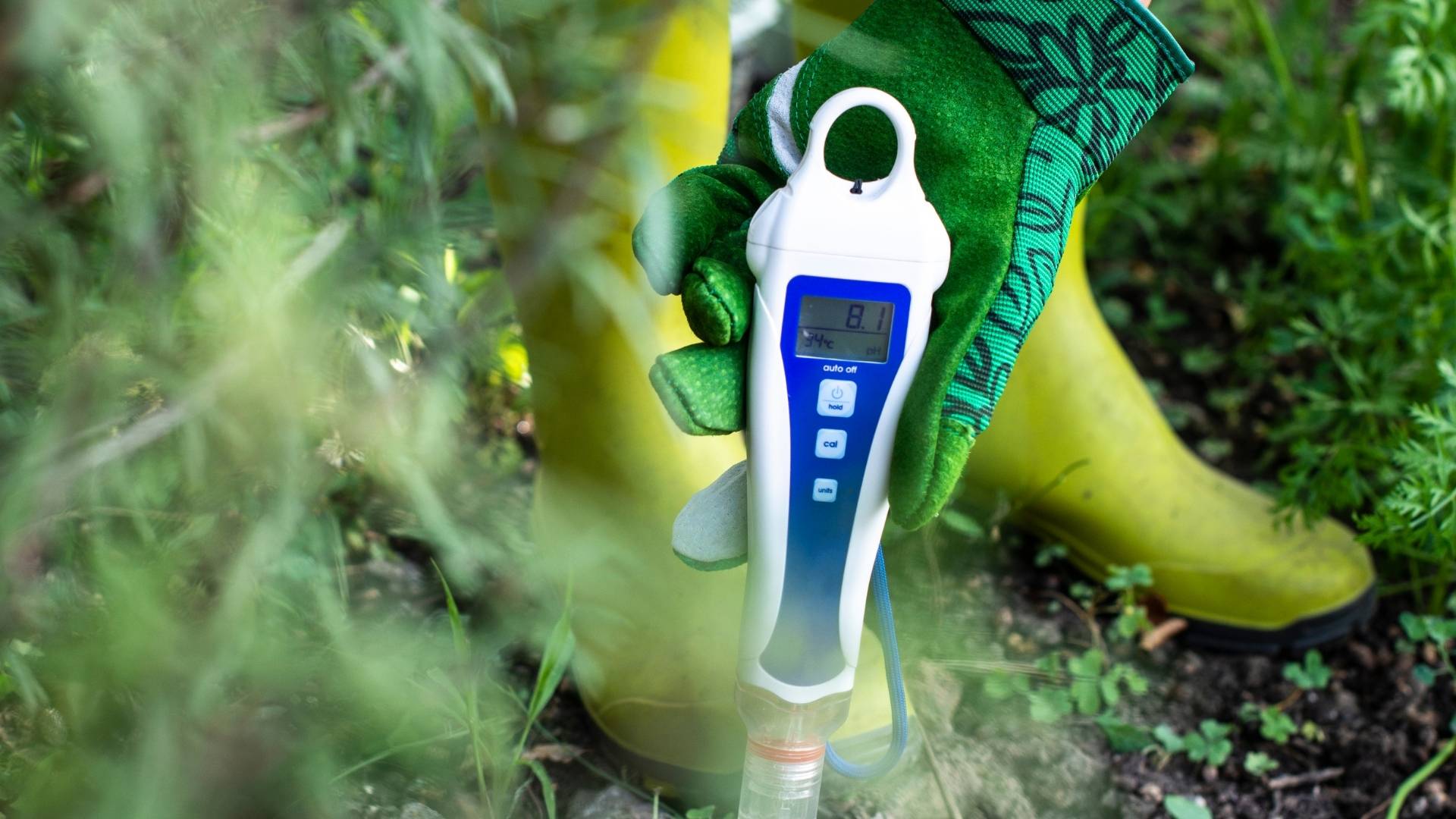
What Is pH? Why Is It Important For Your Plants?
pH stands for “potential of hydrogen,” and it measures the acidity or alkalinity of a substance like water or soil. The pH scale ranges from 0 to 14, where 7 is considered neutral. A pH value below 7 indicates acidity, while above 7 indicates alkalinity. The pH of the soil is crucial for plant growth because it affects the availability of essential nutrients in the ground.
Importance of pH for Plants
- Nutrient Availability: The pH level of soil determines the solubility and availability of essential nutrients to plants. Different nutrients are more readily available within specific pH ranges. For example, most nutrients like nitrogen, phosphorus, and potassium are optimally available to plants in slightly acidic to neutral soils (pH 6.0-7.0).
- Microbial Activity: Soil pH also influences the activity of beneficial microorganisms in the soil. Many microorganisms that aid in nutrient cycling and disease suppression prefer specific pH ranges.
- Toxicity: Extremely acidic or alkaline soils can lead to the accumulation of toxic elements that can harm plant growth.
- Plant Uptake: pH affects the ability of plant roots to take up nutrients. In the wrong pH range, even if nutrients are present in the soil, plants may struggle to absorb them effectively.
The pH range 5.5 – 6.5 is considered optimal for most plant’s growth as the availability of nutrients is optimal.
How to Identify Soil pH at Home
There are several methods to measure the pH of soil at home:
pH Test Strips: pH test strips are readily available at garden centers or online. You mix a soil sample with water and then dip the test strip into the solution. The color change on the strip indicates the pH level.
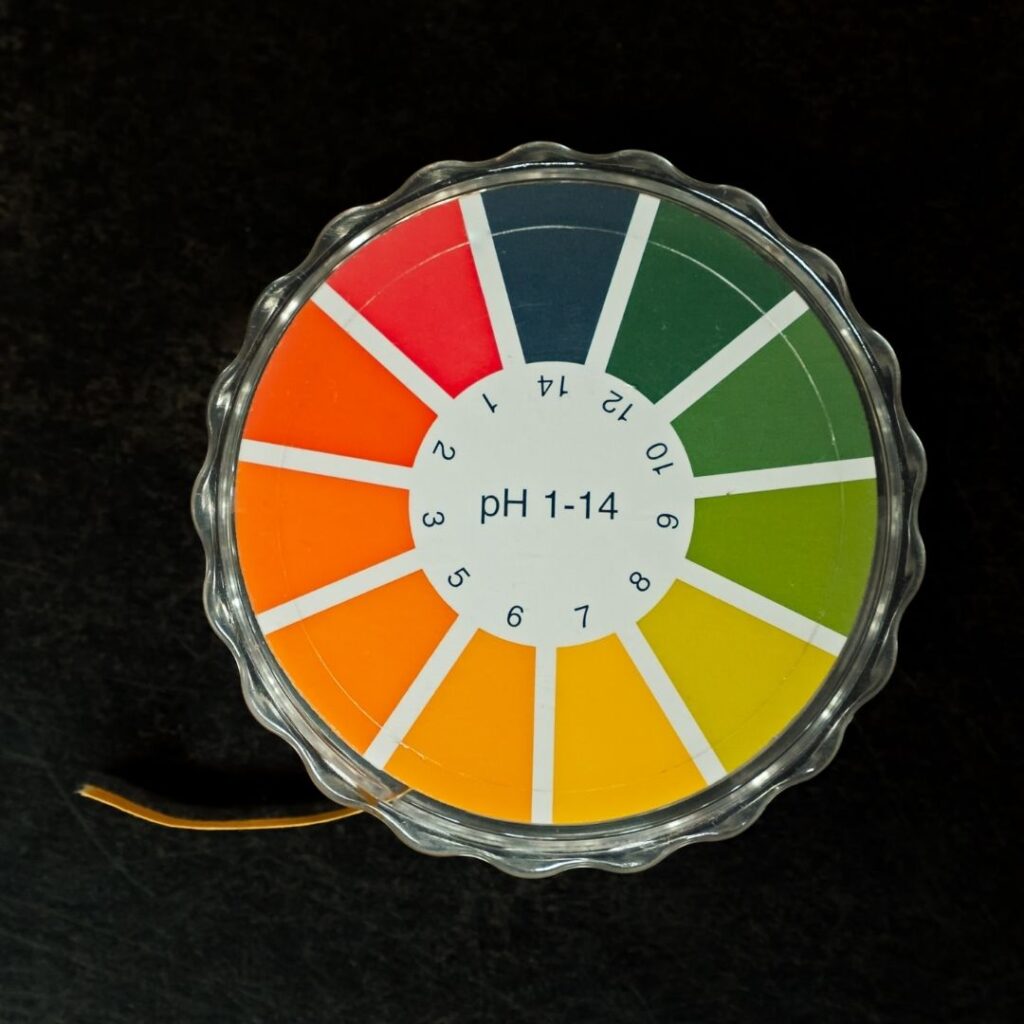
pH Test Kits: These kits come with a small testing tube and a pH indicator solution. You mix the soil sample with water and add a few drops of the indicator solution. The resulting color change helps determine the pH level.
Digital pH Meters: These are more expensive but offer precise measurements. They require you to prepare a soil-water mixture, and then the pH meter gives a digital readout of the pH level.
Simple testing: Divide the soil sample into two containers (jars or cups). Mix with filtered water thoroughly leaving no clumps. Add white vinegar to one container, if it bubbles or fizzes, the soil is alkaline (basic). Add water and baking soda to the other container. If it bubbles or fizzes, the soil is acidic. Remember, this test provides a basic indication of acidity, not the exact levels.
How to Adjust Soil pH
For Increasing Acidity (Lowering pH)
Add elemental sulfur: This reacts with soil components to lower pH over time.
Use acidic organic materials: Peat moss, pine needles, or composted leaves can help increase acidity.
For Increasing Alkalinity (Raising pH)
Add agricultural lime (calcium carbonate): This raises pH and provides calcium to the soil.
Use wood ash: Wood ash can be used in moderation to increase soil pH.
Before attempting to adjust the pH, it’s essential to know the current pH level and the specific needs of the plants you intend to grow, as different plants have different pH preferences. Always follow recommended guidelines and conduct a soil test to ensure proper adjustments.

You may also like
Autumn Pruning
What is Neem Oil and How to Use It on Plants