 English
 Türkçe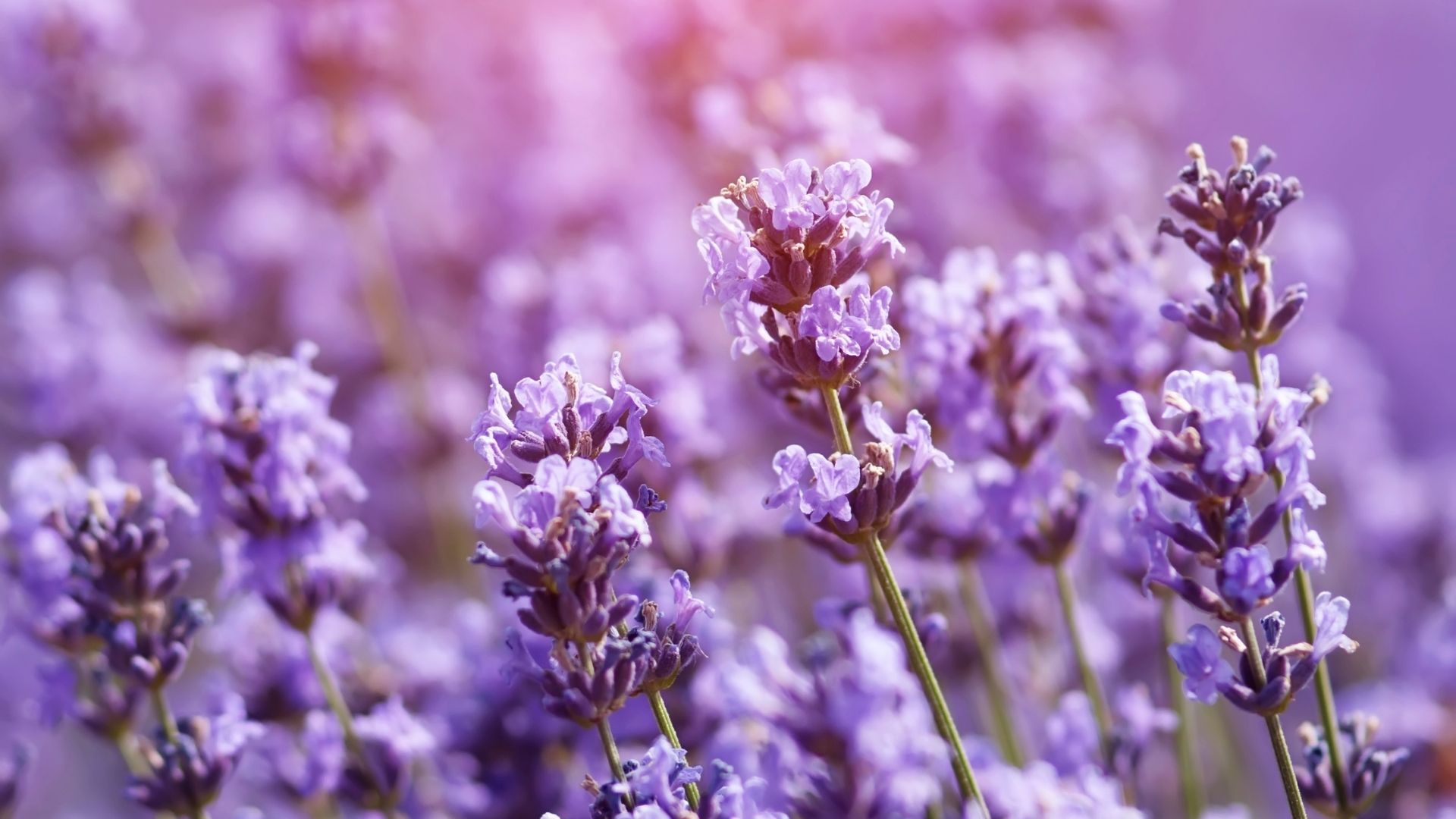
Ultimate Guide to Lavender Cultivation
Lavender, known for its vibrant purple flowers and soothing fragrance, is a versatile herb cherished by gardeners and herbalists alike. Beyond its beauty, lavender offers numerous benefits, including stress relief, improved sleep, and culinary delights. Growing lavender at home allows you to enjoy these benefits firsthand while adding a touch of elegance to your garden.
In this blog post, we’ll delve into the enchanting world of lavender, guiding you through growing this fragrant herb from seed, maintaining it through proper pruning, and harvesting its blossoms for various uses.
The Benefits and Varieties of Lavender
Lavender is more than just a beautiful addition to your garden; it offers numerous benefits and uses. Our garden has a chunk of English Lavender that promotes pollinators such as bees and butterflies. It also helps repel the mosquitoes while giving us the perfect view and smell every year. Since it is an extremely cold-hardy plant, it survives through frosts in winter.
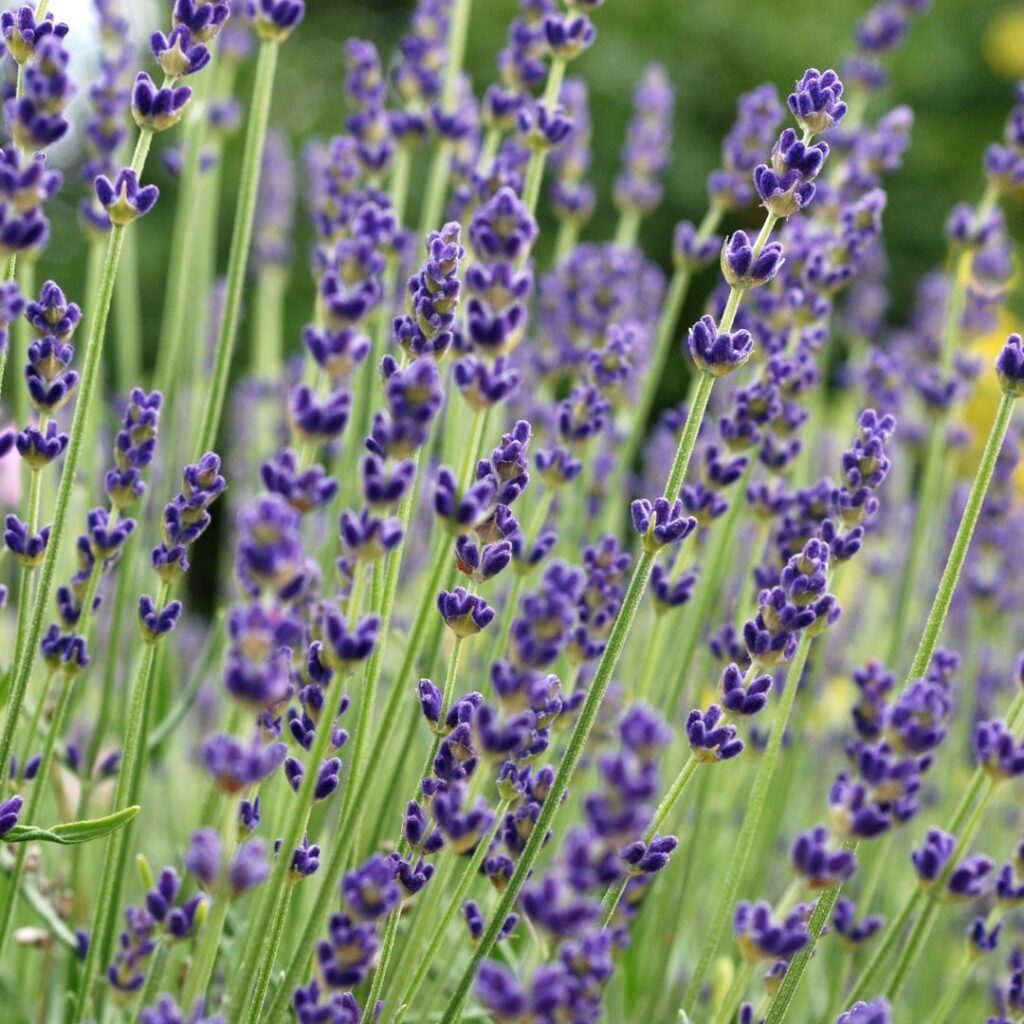
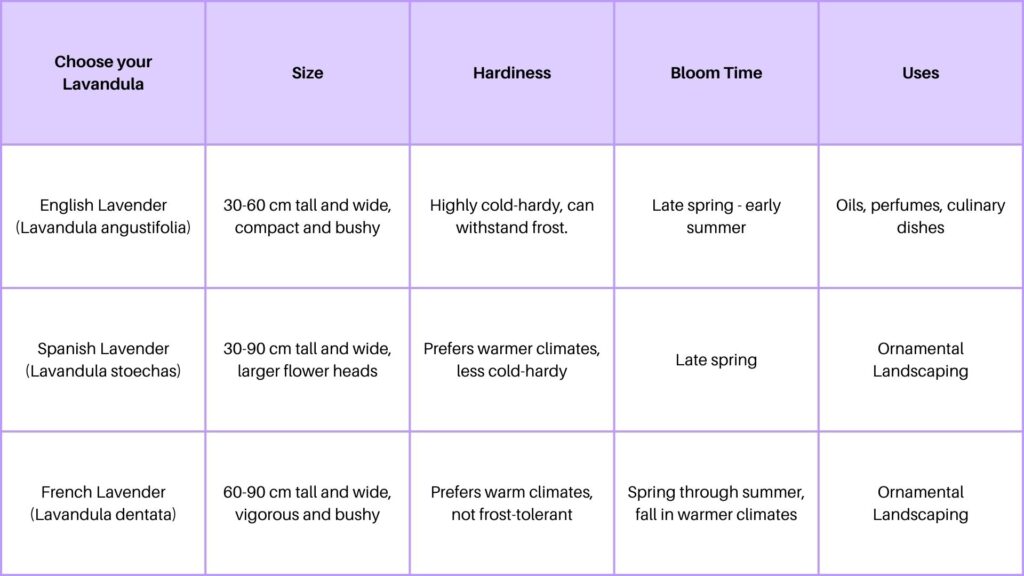
English lavender (Lavandula angustifolia) is ideal for cooler climates, while French lavender (Lavandula dentata) thrives in warmer regions.
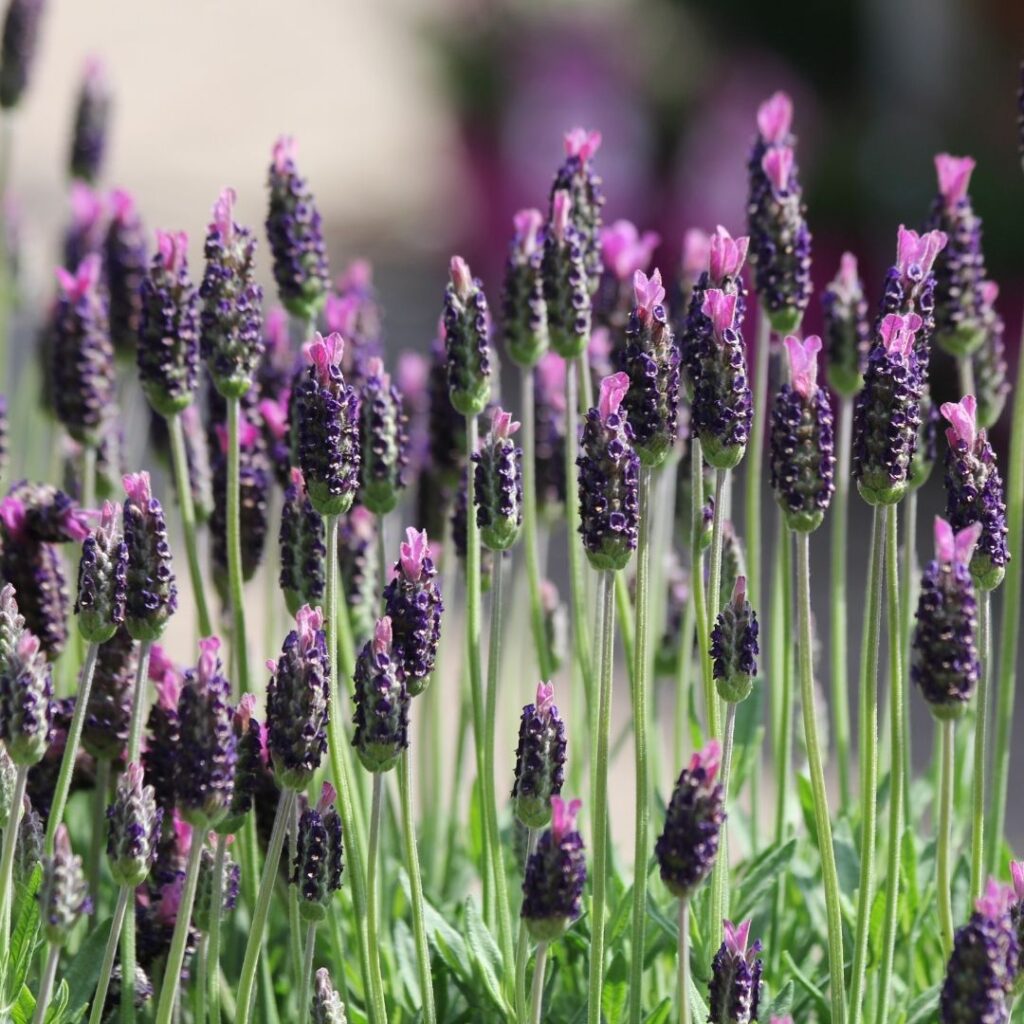
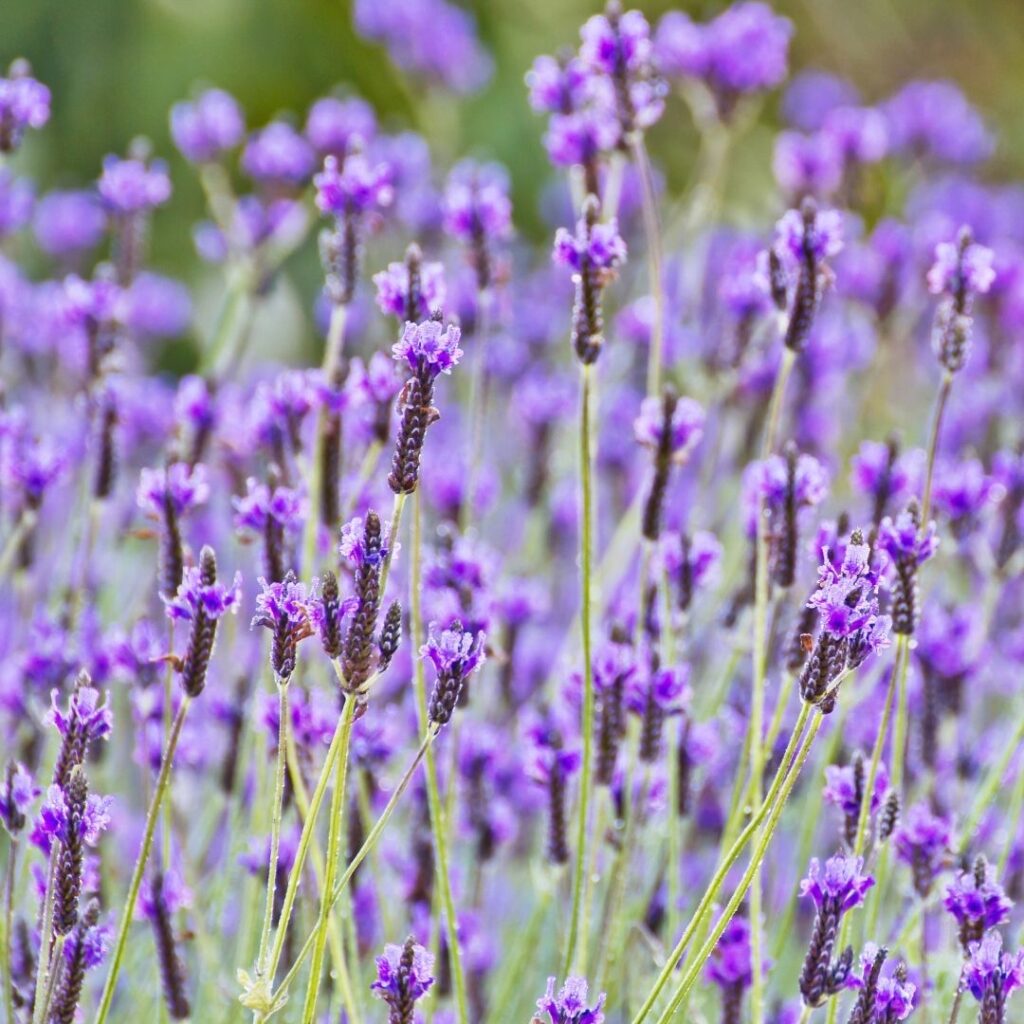
This section will explore various lavender varieties such as English, French, and Spanish lavender, helping you choose the best one for your climate and gardening goals.
Here is a list of precisely what you need to choose your lavender type:
Sowing Lavender from Seed
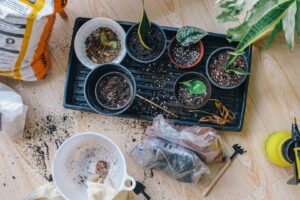
Lavender seeds can be slow to germinate, often taking up to a month. Start seeds indoors in late winter, as they have a lengthy germination period. You can try the “cold stratification” method for germination.
Cold stratification is a pre-germination process used to simulate the natural winter conditions that some seeds, like lavender, need to experience before they can sprout. This method helps break the seed’s dormancy, making it more likely to germinate successfully when planted.
Place the lavender seeds in a small, resealable plastic bag or an airtight container.
Add a small amount of damp (but not soaking wet) sand, vermiculite, or a paper towel to the bag or container. This will keep the seeds moist during the stratification process.
Place the sealed bag or container in the refrigerator, not the freezer. The ideal temperature is between 34°F and 41°F (1°C to 5°C). Leave the seeds in the refrigerator for 4 to 6 weeks. This cold period mimics the winter conditions the seeds would naturally experience.
Every week or so, check the seeds to ensure they remain moist but not overly wet. Add a few drops of water if needed. After 4 to 6 weeks, plant the seeds in a seed-starting mix.
Lavender prefers well-draining, sandy soil with a pH between 6.5 – 7.5. Use pots or seed trays with good drainage, and fill them with a light, sandy potting mix.
Once the seedlings emerge, avoid overwatering and provide plenty of light. When ready, transplant them outdoors in a sunny location. Excess water can hinder growth, so be cautious. Avoid mulching the soil, and in humid regions, ensure adequate spacing for optimal air circulation. After your lavender blooms, trim away the spent flowers.
Pruning and Maintaining Lavender Plants
Proper maintenance is key to healthy lavender plants. Pruning is essential to keep lavender plants healthy and productive. It prevents the plant from becoming woody and encourages new growth, resulting in more blooms.
Prune lavender in the spring when new growth appears and again after the first bloom in summer. Use sharp, clean shears to cut back about one-third of the plant, avoiding the woody stems.
Lavender thrives in full sun and well-drained soil. Water deeply but infrequently, allowing the soil to dry out between waterings. Avoid over-fertilizing; lavender prefers lean soil.
Watch for root rot caused by overwatering, and ensure good air circulation to prevent fungal diseases. If pests like aphids or spider mites appear, treat them with insecticidal soap or watered-down neem oil.
Harvesting Lavender
Harvest lavender when about half of the flower buds have opened. This is when the essential oils are at their peak. Use sharp scissors or pruners to cut the stems just above the leaves.
You can cut the foliage for drying at any time. Dry small bundles of lavender for various home uses. Since we have the most fragrant English Lavender, we chose to make oil and lavender sachets.
Hang the bunches upside down in a dark, dry, and well-ventilated area. Once dry, store the flowers in airtight containers away from light and moisture to preserve their fragrance and potency.

You may also like
More Than Just a Spice: The Healing Science of Rosemary

Drought-Tolerant Plants for Hot, Dry Gardens