 English
 Türkçe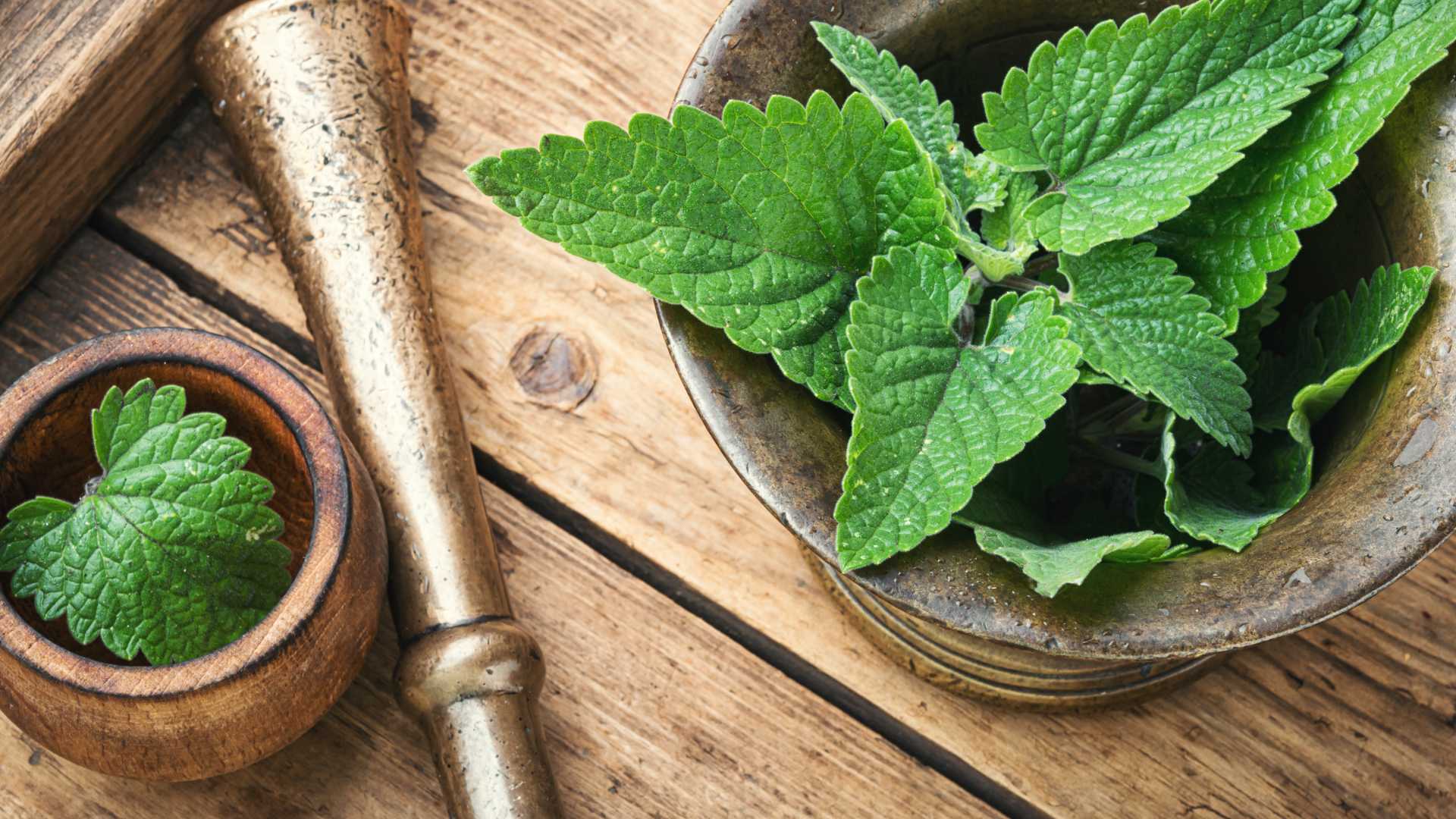
Lemon Balm Benefits and Side Effects
Lemon balm is a plant that has been used for centuries as a natural treatment for stress, anxiety, and depression.
Lemon balm is a perennial herb that grows up to two feet tall. It has green leaves and yellow flowers. The plant is native to the Mediterranean region where it was used medicinally by the Ancient Greeks and Romans.
The name lemon balm comes from its lemon-scented leaves that are often used in teas or oils to create calming effects. Lemon balm benefits include relief from stress, anxiety, and depression. Side effects of lemon balm can include dizziness or headaches when consumed in large doses.
Benefits of Lemon Balm
Lemon balm is a medicinal herb that has been used since the Middle Ages. It has also been used as herbal medicine and as a medicinal plant. It is known to have many benefits such as improving mood, relieving anxiety, and helping with sleep.
Side Effects of Lemon Balm
Lemon balm is a plant with many health benefits. It is used in medical practices as well as in the kitchen. But, it also has some side effects that you should be aware of before you use it.
Side Effects:
- Nausea and vomiting,
- Dizziness,
- Headache, and
- Increased heart rate.
How to Make a Lemon Balm Tea
Lemon balm tea is a type of herbal tea made from lemon balm leaves. It has a fresh and lemony taste with a hint of sweetness. It is also known as “melissa” or “balm mint”.
The process for making this herbal tea is very simple and straightforward. All you need to do is add the lemon balm leaves to boiling water, allow it to steep for five minutes, and then strain them out before drinking it. If you want to make it sweeter, you can add sugar or honey after straining the tea out.
How to Dry Lemon Balm for Later Use
Drying lemon balms are a great way to preserve them for later use. It is also a good way to make your kitchen smell better. Dried lemon balms can be used in many dishes and drinks such as tea, cocktails, and salad dressings.
Place the lemon balms on top of the dish towel and roll them up into a tight bundle. Twist the ends of the towel together and secure them with toothpicks or skewers so that they do not unwrap while drying out in your kitchen cabinet or pantry.

You may also like