 English
 Türkçe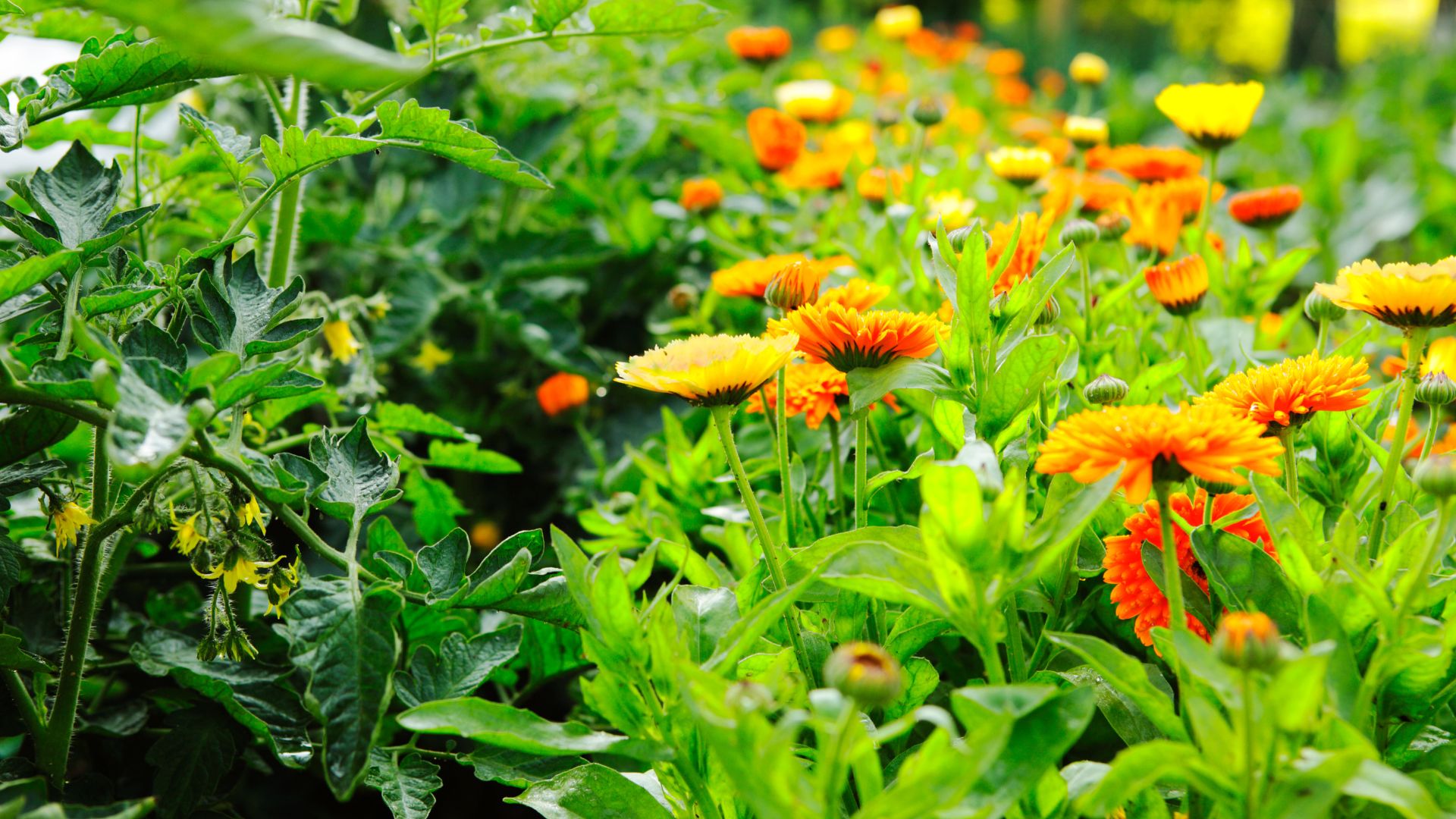
Companion Plants
Companion planting method aims to use the beneficial properties of plants and to separate species that may harm each other for purposes such as increasing yield and fighting pests.
One of the best-known examples of companion planting is the Three Sisters Method, which Native Americans have used for many years: This method combines corn, beans, and pumpkins. Long corn supports climbing beans; Zucchini shade the ground to prevent moisture loss and its large spiny leaves deter weeds and pests, while fast-growing beans make nitrogen available to other plants and nourish them.
As it is possible to protect your vegetable with another vegetable, you can also provide it with beautiful flowers in the natural environment.
Benefits of Companion Planting
Attracting Useful Species
Some plants will attract insect species such as wasps and ladybugs that feed on pests, as well as pollinating bees. Ladybugs are good for your plants: a single ladybug larvae can eat dozens of aphids and larvae of other genera in a day.
Repelling Pests
Some species act as natural repellants for plant pests. For example, if you plant garlic in your garden, you can keep many pests away with its smell.
Nutrition
Legumes such as beans and peas make nitrogen in the soil more accessible to other plants and enrich the topsoil in nitrogen.
Shading
Tall varieties help protect plants that are more sensitive to the sun: For example, if corn and lettuce are planted together, the leaves of the corn will protect the lettuce from the scorching effects of the sun. Broad-leaved and short species, on the other hand, help maintain soil moisture.
Climbing Support
Long-stemmed species such as corn and sunflower; provides support for climbing species such as cucumbers and beans.
Plant Health
Plants can make the soil more fertile for some other plants by regulating the structure of the soil with the minerals they take from the soil.
Weed Suppression
Leafy species such as potatoes or broad-leaved species such as zucchini and lettuce suppress the growth of weeds by blocking the light reaching the soil.
In addition to species that benefit each other, there are also species that compete with each other. These species should not be planted closely.
In general, you should not plant competing plants next to each other due to similar nutrient needs, water, space (above-ground growth and underground root systems), and sunlight. Likewise, species susceptible to similar diseases and attracting similar pests should also be kept separate.
Companion Aromatic Herbs
Not every garden will have enough room to practice companion planting, but you can still apply companion planting techniques with smaller sizes of aromatic species to keep pests away and attract pollinators.
Let’s take a look at kitchen plants that can take care of different pests such as aphids and tomato worms and/or attract beneficial insects.
🌿 Basil
🌿 Chives
🌿 Borage Grass
🌿 Thyme
🌿 Mint
🌿 Rosemary
🌿 Sage
🌿 Lavender
🌿 Coriander
These species are a real magnet for beneficial insects such as ladybugs and bees, especially when in bloom.
With its given benefits, this method brings many results such as combating pests and diseases without using chemical pesticides, increasing and enriching the soil, and controlling weeds, making labor-intensive agriculture more effortless and natural.
Although the companion plant method focuses heavily on vegetable gardens, ornamental plants such as roses, daffodils and marigolds also help prevent disease and insect infestations.
Unlike other horticultural fields, this method is not always based on exact scientific facts; it is based on observations, i.e. garden information hidden in the records and experiences of the farmers.
Understanding your garden as a bio-diverse system where plants are interconnected and dependent will help you make better plant choices for your garden.
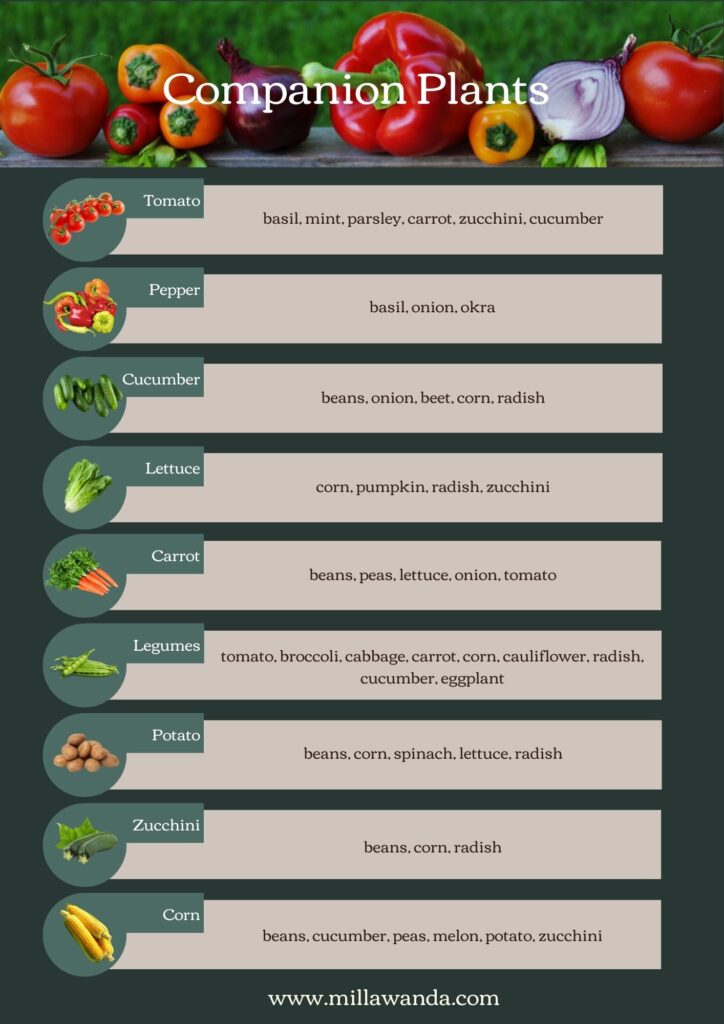
Check out the common accompaniment types we have compiled for you:

You may also like
More Than Just a Spice: The Healing Science of Rosemary

Drought-Tolerant Plants for Hot, Dry Gardens