 English
 Türkçe
Fluoride: Harms and Prevention Methods
This article is for informational purposes only and does not constitute medical advice. Always consult with qualified healthcare providers about your specific health needs and those of your family.
The Fluoride Paradox
For over 75 years, fluoride has been added to public water supplies across the United States and other countries under the banner of dental health. What began as a “Grand Rapids experiment” in 1945 has since expanded to reach hundreds of millions of people worldwide. But as with many mass public health interventions, the full story is more complex – and for some communities, more troubling – than the official narrative suggests.
Recent scientific assessments have raised serious questions about fluoride safety. In 2024, the U.S. National Toxicology Program concluded that fluoride exposure corresponding to water concentrations of ≥ 1.5 mg/L was associated with adverse neurodevelopmental outcomes in children . The European Food Safety Authority (EFSA) followed in 2025 with an updated risk assessment finding that “total fluoride intake is associated with adverse effects on the developing brain at drinking water concentrations > 1.5 mg/L” .
Even more concerning, internal documents from 1962 revealed that officials knew Black children in Grand Rapids were experiencing dental fluorosis at twice the rate of white children in addition to kidney diseases and diabetes, yet this information was never publicly communicated to affected communities.
This blog post will help you understand where fluoride hides in your daily life and provide practical, evidence-based strategies to reduce your exposure if that is your choice.
What We Now Know About Fluoride Risks
Before discussing avoidance strategies, it’s important to understand what the current scientific evidence actually shows.
| Health Outcome | Evidence Level | Threshold of Concern | Source |
| Neurodevelopment (children) | Consistent association | > 1.5 mg/L in drinking water | EFSA 2025 |
| Thyroid function | Increased TSH observed | > 1.5 mg/L | EFSA 2025 |
| Bone health/fracture risk | Changes at ~3 mg/day | Below previous safety limits | EFSA 2025 |
| Dental fluorosis (Black children) | 2× higher rate | Documented at 1.0 mg/L | Historical data (1962) |
| IQ effects (cross-sectional studies) | Consistent findings | > 1.5 mg/L | NTP 2024 |
A rapid systematic review published in October 2025 found “some evidence of adverse effects on neurological outcomes and thyroid function” in children, as well as effects on blood pressure, thyroid function, and skeletal structure in adults at concentrations > 1.5 mg/L.
Where Fluoride Hides: A Complete Product Guide
Fluoride is surprisingly widespread. Fluoride cases in Türkiye are entirely related to natural (geogenic) groundwater contamination, not artificial water fluoridation programs. Community water fluoridation is not implemented in the country, but some regions face significant health problems due to naturally high fluoride levels in their drinking water sources.
Recent studies conducted in 2024 highlight significant fluoride contamination in groundwater in the Bitlis region. The problem is further complicated by the region’s volcanic rock structure, which naturally releases fluoride into water sources.
Unplanned and uncontrolled mining activities in areas close to water sources also contribute to the contamination of these minerals.
Fluoride levels are found in the water sources of Şanlıurfa, Isparta, Doğubeyazıt, Eskişehir, Uşak, and Edirne.
Here are the main sources of daily fluoride exposure:
| Category | Product Type | Typical Fluoride Concentration | Notes |
| Water | Tap water (fluoridated) | 0.5-1.0 mg/L | Varies by region |
| Bottled water | 0.5-40 mg/L | Natural spring water varies widely | |
| Beverages | Tea (brewed) | 1.79-803.94 mg/L | Extremely high-major source |
| Coffee | 0.013-0.502 mg/L | Depends on water used | |
| Carbonated drinks | 0.03-0.27 mg/L | ||
| Fluoridated milk | 5 mg/L | ||
| Foods | Seafood | 1.9 mg/kg | |
| Meat | 820 µg/kg | ||
| Salt (fluoridated) | 100-400 mg/kg | Common in Europe | |
| Dental Products | Toothpaste | 1450-5000 mg/kg | High concentration |
| Fluoride varnish | 22,600 mg/L | Professional application | |
| Fluoride foam/gels | 5000-12,500 mg/kg | Professional/in-office | |
| Fluoride rinses | 225-900 mg/L | OTC mouthwash |
Tea is the hidden heavyweight: Depending on how it’s brewed, tea can contain staggering levels of fluoride. Black and green teas accumulate fluoride from the soil, and commercial teas can have concentrations exceeding 800 mg/L in extreme cases .
Water is the baseline: Your tap water determines the fluoride content of coffee, tea, reconstituted juices, and cooked foods that absorb water. Dental products are highly concentrated: Even small amounts swallowed by children can contribute significantly to total intake.
Natural Alternatives for Oral Care
If you’ve decided to reduce fluoride exposure, the good news is that effective natural alternatives exist. Research published in Frontiers of Microbiology confirms that “herbal and plant-based samples effectively removed plaque just like fluoride toothpaste”.
Natural Toothpaste Ingredients That Work
| Ingredient | Function | Evidence |
| Xylitol | Prevents bacterial growth, reduces plaque | Derived from plants, prevents cavities |
| Green tea extract | Antibacterial, freshens breath | Contains polyphenols that reduce oral bacteria |
| Papaya plant extract (papain) | Removes surface stains, reduces inflammation | Enzyme breaks down stains, reduces gum inflammation |
| Hydrated silica | Gentle abrasive for cleaning | Safe, non-fluoride polishing agent |
| Baking soda (sodium bicarbonate) | Cleans, polishes, whitens | Also fights plaque |
| Citric acid | Reduces tartar buildup | Found in citrus |
| Zinc citrate | Reduces plaque, prevents gingivitis | Inhibits bacteria |
DIY Paleo Toothpaste Recipe
For those who prefer complete control over ingredients, here’s a simple, fluoride-free recipe adapted from traditional formulations:
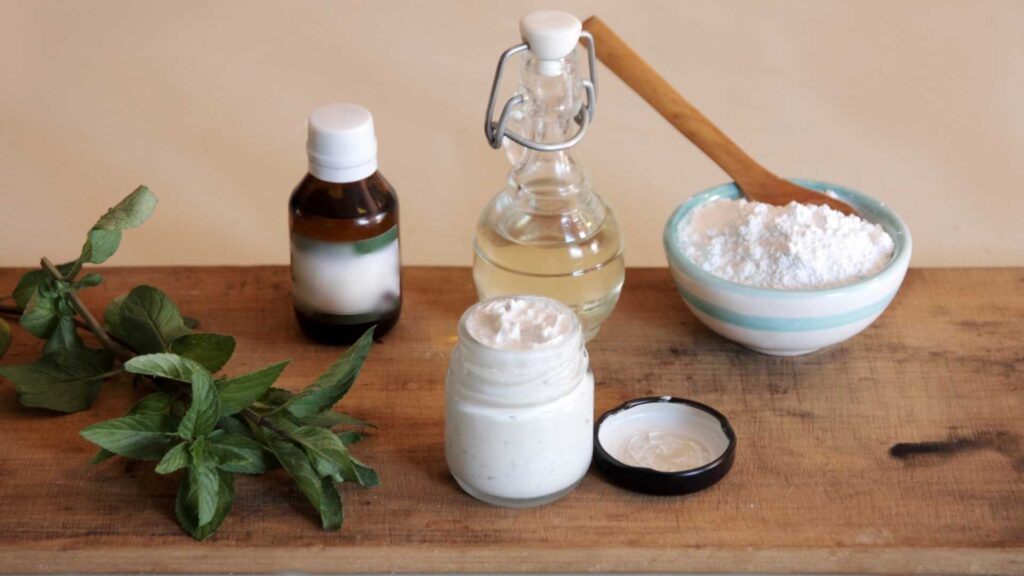
Dry Ingredients:
- 4 tablespoons bentonite clay (use plastic or wooden spoon—never metal)
- 3 tablespoons calcium powder (calcium citrate recommended for enamel support)
- 2 tablespoons baking soda
- A pinch of fine sea salt
Wet Ingredients:
- 8 drops organic liquid stevia (to offset bitterness)
- 1 teaspoon organic spearmint or peppermint extract
- Optional: ground cloves or cinnamon to taste
- Optional for paste: coconut oil (antimicrobial properties)
Three Usage Options:
- Tooth powder: Use dry mixture as-is
- Paste: Add coconut oil until spreadable
- Squeezable version (for children): Fill tube halfway with paste, add water, let clay expand
Safety notes: Bentonite clay binds metals – avoid metal utensils. Baking soda is mildly abrasive, so use a soft brush and gentle technique.
Removing Fluoride from Water
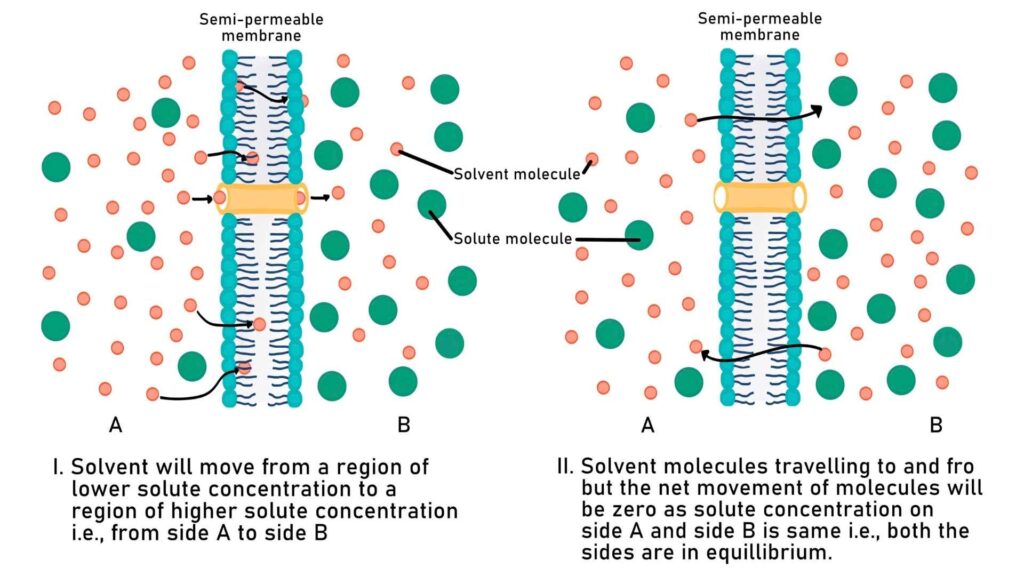
If your tap water contains fluoride, several home treatment options can reduce or eliminate it.
Water Treatment Methods and Fluoride Removal
| Method | Fluoride Removal Effectiveness | Notes |
| Reverse osmosis | Removes most fluoride | Well-documented, consistent effectiveness |
| Distillation | Removes most fluoride | Effective but energy-intensive |
| Activated alumina filters | Can remove significant amounts | Requires specific filter media |
| Bone char filters | Can remove significant amounts | Traditional method; cultural considerations apply |
| Standard carbon filters | Do NOT remove fluoride | Most pitcher filters are ineffective |
| Water softeners | Do NOT change fluoride levels |
Maintenance matters: Filter materials need regular replacement or regeneration when saturation is reached.
Microbiological safety: Fluoride removal doesn’t eliminate pathogens – post-filtration disinfection may be needed.
Practical Tips for Reducing Daily Exposure
Choose bottled water wisely: Natural spring waters vary widely – some are naturally high in fluoride.
Limit tea consumption or source carefully: Tea can be the single largest dietary fluoride source.
Consider water source for coffee and juice: If you use fluoridated tap water, your beverages contain fluoride.
Rinse canned foods: Fluoride may be present if processed with fluoridated water.
Be aware of fluoridated salt: Common in some European countries.
Seafood contains natural fluoride: Usually minor contributor.
Use fluoride-free toothpaste: Many natural alternatives exist.
The decision to reduce fluoride exposure is deeply personal. What the science now makes clear is that:
The margin of safety is narrower than previously understood. At levels above 1.5 mg/L in drinking water, consistent evidence shows associations with neurodevelopmental effects, thyroid changes, and bone health impacts.
Children require special protection. Their developing brains and smaller body size make them more vulnerable, and they have additional exposures from toothpaste swallowing.
Oral health depends on multiple factors – diet, hygiene, regular dental care, and genetics. Fluoride is just one piece of a much larger puzzle.