 English
 Türkçe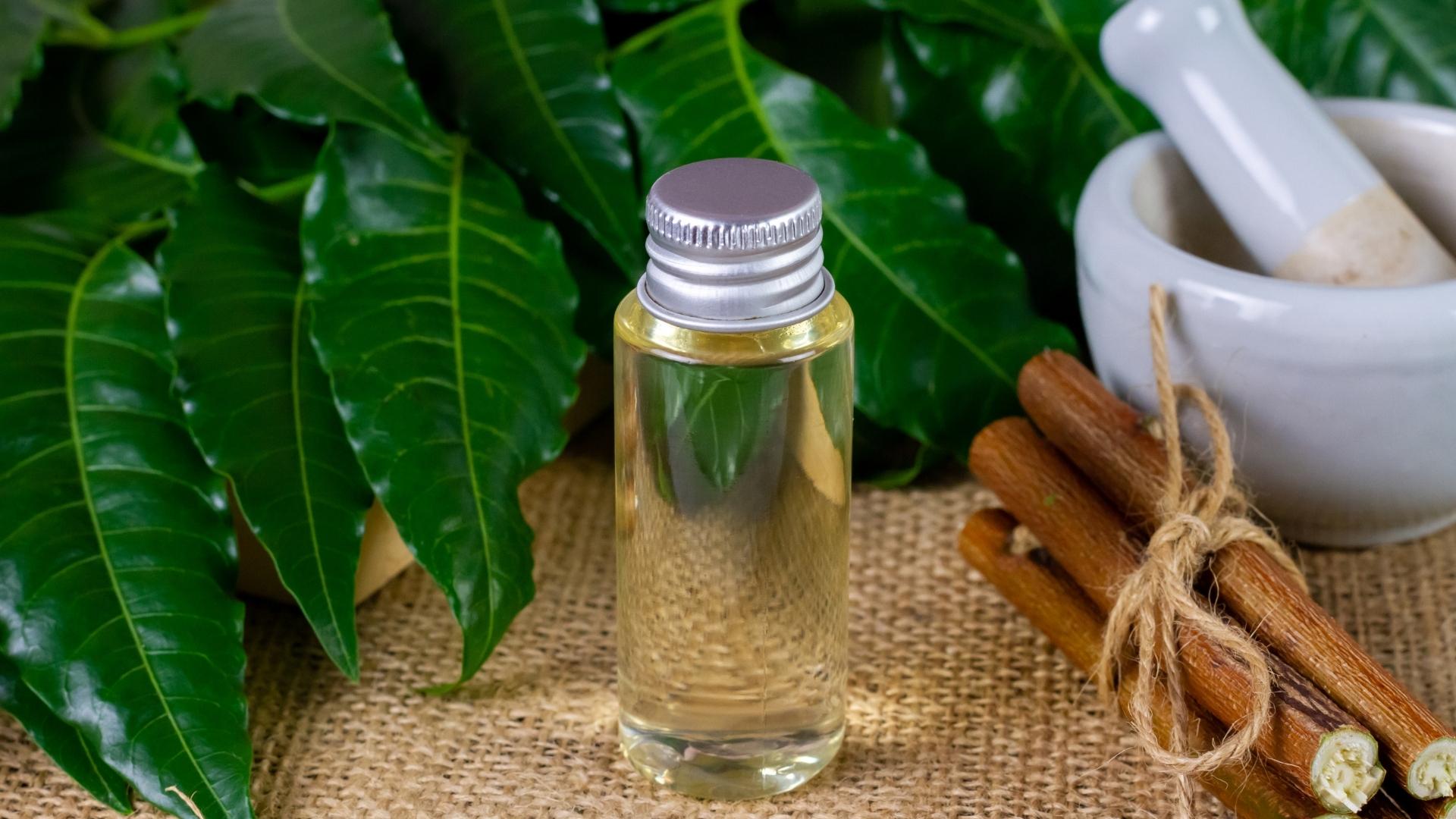
What is Neem Oil and How to Use It on Plants
Everyone who looks for natural gardening solutions has encountered neem oil at some point. It’s no surprise that neem oil has become a go-to solution for pest and disease control. Is neem oil an ideal remedy for eliminating a wide variety of garden pests and diseases without the use of harsh chemicals, and is it safe to use around your vegetables, pets, and beneficial insects? What types of pests does it help repel? How is neem oil applied to plants?
What is Neem oil?
Neem oil is a natural vegetable oil derived from the seeds of the neem tree (Azadirachta indica), which grows in India and surrounding regions. The compound azadirachtin contained in this oil is highly effective in repelling, killing, and disrupting insect growth cycles. Therefore, it is frequently used in pesticide-free, environmentally friendly gardening practices.
One of the greatest advantages of neem oil is that it targets young insects without harming plants. However, if applied undiluted or incorrectly, it can cause problems such as leaf burn. When used correctly, it is extremely safe.
Neem oil is known to repel:
- Aphids
- Mites
- Fungal problems
- Whiteflies
- Insect larvae
- Squash bugs
- Mold
- Fungus gnats
- Caterpillars
- Mealybugs
- Thrips
Neem oil may lose its effectiveness if the plant is under severe stress or severe insect infestation. Therefore, it works best when used preventively against pests detected early.
How to Use Neem Oil on Plants
Neem oil is sold either as a ready-to-use spray or as a concentrate. While ready-to-use sprays can be applied directly, concentrated oil must be diluted.
Here is a simple and quick recipe:
Add 1/2 teaspoon of liquid dish soap to 1 quart of water (so the oil can mix with the water). Add 1 teaspoon of pure neem oil to the mixture. Transfer the entire mixture to a spray bottle.
To avoid burning the plant, avoid applying it in hot weather or in direct sunlight. Early morning or late afternoon is the best time.
For neem oil to be effective, thorough coverage of all leaf surfaces is essential. Regular application is especially important in the early stages of difficult-to-detect fungal diseases like powdery mildew. At the first signs of the disease, weekly applications are recommended. Once the plant begins to recover, this interval can be increased to 10-14 days.
Neem oil has very low toxicity to humans, birds, mammals, beneficial insects, and most plants. It is harmless to bees unless sprayed directly. However, it can be slightly toxic to aquatic organisms (such as fish). Therefore, caution should be exercised when applying it near open water sources.

You may also like
Autumn Pruning