 English
 Türkçe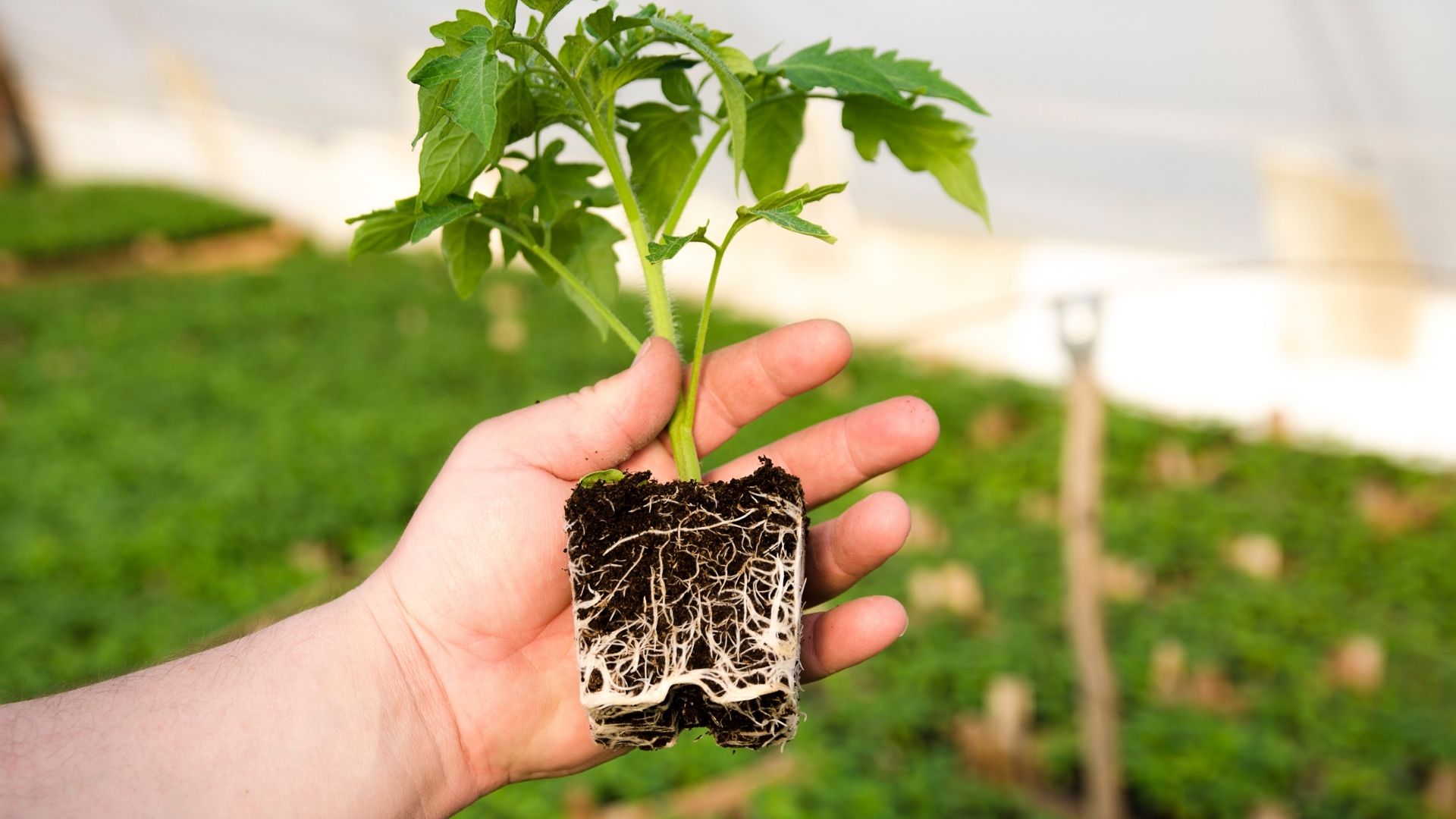
Growing Tomatoes 2: Transplanting and Cultivating Healthy Tomato Plants
In our previous post, we walked through the stages of making tomato seedlings from seeds and the ideal germination season. These days when the gardens are just starting to be planted, you still have time to sow or buy seedlings, and all the information you need to pay attention to, from fertilizer to pruning, while planting and growing your seedlings, is in this follow-up post.
Tomatoes are a staple in many gardens, offering a versatile fruit that is both nutritious and delicious. However, successfully transplanting tomato seedlings and caring for tomato plants throughout their growth stages requires careful attention and technique. This essay aims to provide a detailed walkthrough of the transplanting process, essential care tips, and the importance of pruning for satisfactory harvests.
Transplanting Tomato Seedlings
Transplanting tomato seedlings is a critical step in their growth cycle and sets the foundation for healthy plant development. Follow these steps for successful transplanting:
Timing: Seedlings should be transplanted outdoors when they have developed their first set of true leaves and the threat of frost has passed. This typically occurs 6-8 weeks after sowing seeds indoors.
Preparation: Choose a sunny location with well-drained soil. Prepare the planting area by amending the soil with compost or organic matter to improve fertility and drainage.
Transplanting Technique: Carefully remove seedlings from their containers, handling the roots gently to avoid damage. Dig a hole in the prepared soil slightly larger than the root ball of the seedling. Place the seedling in the hole, ensuring that the soil level matches the level of the seedling’s previous container. Firmly pat the soil around the base of the seedling to eliminate air pockets.
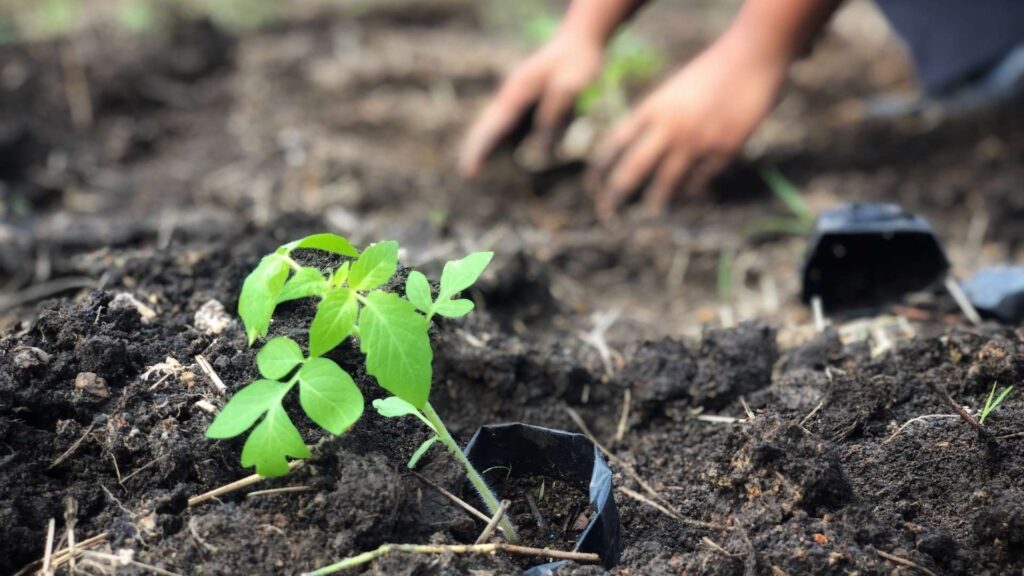
Spacing: Plant tomato seedlings at least 45-60 cm apart to allow for adequate air circulation and room for growth.
Proper Care of Tomato Plants
Once transplanted, tomato plants require consistent care to thrive and produce bountiful harvests. Follow these tips to ensure optimal growth:
Watering: Tomatoes need regular watering to maintain even soil moisture. Water deeply, providing about 1-2 inches of water per week, especially during dry periods. Avoid overhead watering to reduce the risk of fungal diseases.
Fertilization: Fertilize tomato plants regularly with a balanced fertilizer to promote healthy growth and fruit development.
Begin fertilizing once the plants have established themselves and continue every 2-3 weeks throughout the growing season.
Mulching: Apply a layer of mulch around the base of tomato plants to conserve moisture, suppress weeds, and regulate soil temperature. Organic mulches like straw or shredded dry leaves are ideal for tomato plants.
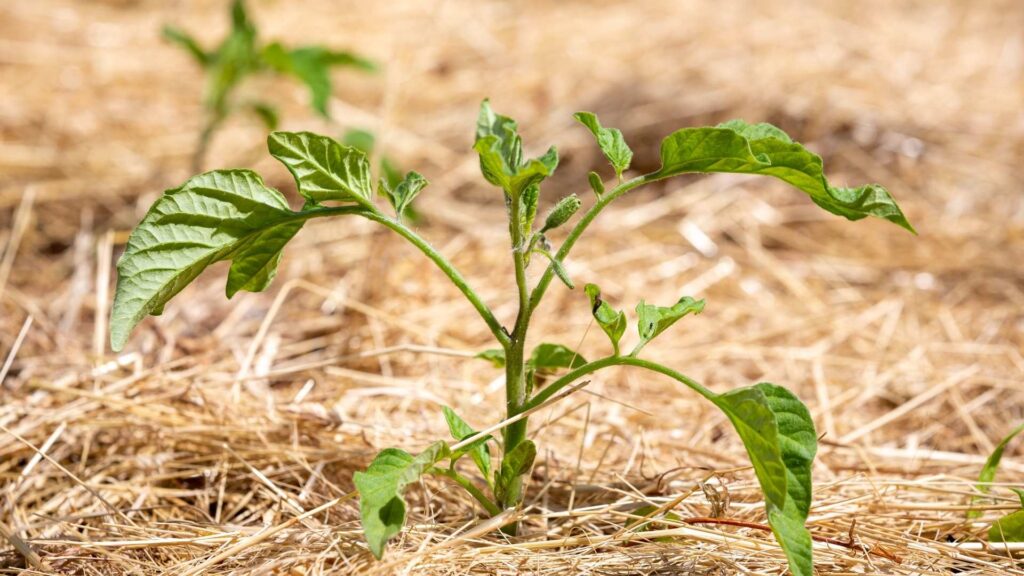
Support: Tomato plants benefit from support to keep their stems and fruit off the ground. Stake or cage tomato plants to provide structural support and prevent sprawling. Winding a string or chord starting from root level and hanging is another convenient method.
Pruning Techniques for Tomato Plants
Pruning is an essential practice for managing the growth of tomato plants, improving airflow, and maximizing fruit production. Follow these pruning techniques for optimal results:
Remove Suckers: Suckers are small shoots that develop in the leaf axils of tomato plants. Pinch off these suckers when they are small to redirect the plant’s energy towards fruit production rather than excessive foliage growth. Just make an exception for the last sucker before the first flower, save it to let the second vine grow from the same root. This will nearly double your harvest.
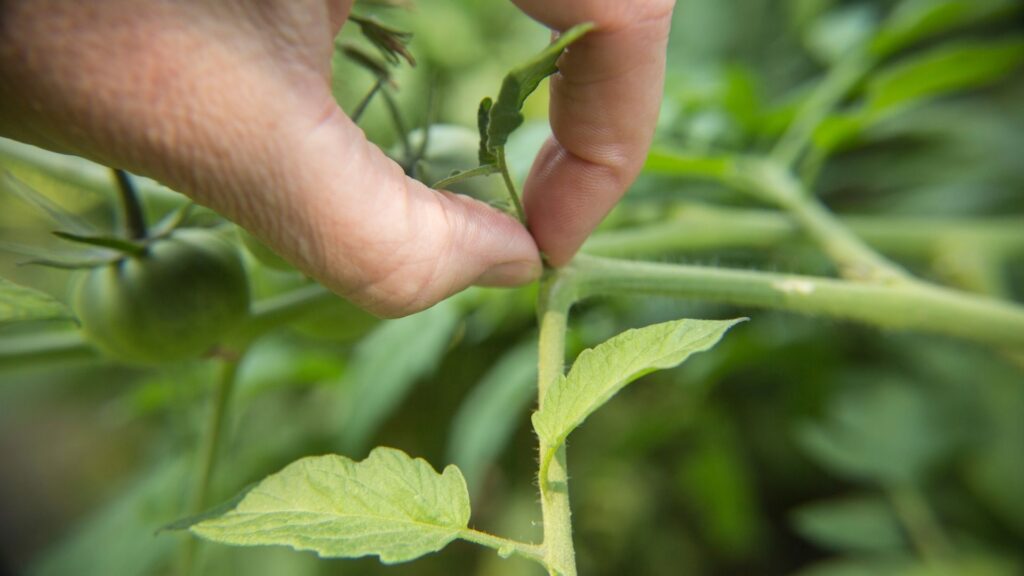
Remove Lower Leaves: As tomato plants grow, remove the lower leaves that touch the ground to prevent soil-borne diseases from splashing onto the foliage. This also improves airflow around the plant.
Trim Overgrowth: If tomato plants become overly dense, selectively prune branches to allow better airflow and sunlight penetration into the canopy. This reduces the risk of fungal diseases and promotes even ripening of fruits.
Successfully transplanting tomato seedlings and caring for tomato plants throughout their growth stages is essential for achieving satisfactory harvests. By following proper transplanting techniques, providing adequate care, and employing prudent pruning practices, gardeners can cultivate healthy tomato plants that yield abundant and flavorful fruits. With attention to detail and consistent maintenance, the journey from seedling to harvest can be a rewarding experience for any tomato enthusiast.

You may also like
More Than Just a Spice: The Healing Science of Rosemary

Drought-Tolerant Plants for Hot, Dry Gardens