 English
 Türkçe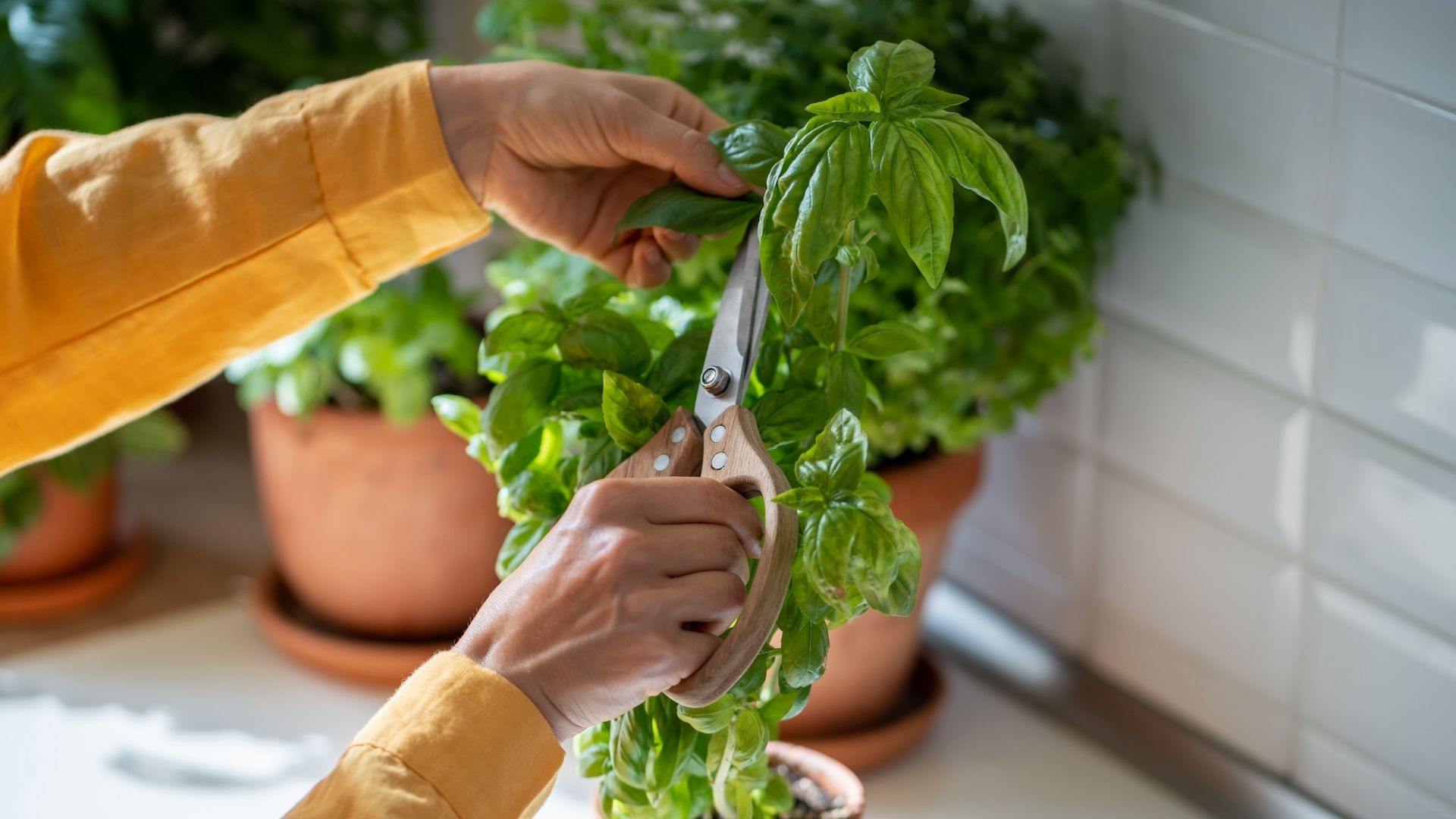
Pruning and Propagating Basil Plants: A Comprehensive Guide
Basil, with its aromatic leaves and versatile uses in culinary delights, is a staple in many kitchens and gardens. Yet, to truly thrive and maximize your basil yield, mastering the art of pruning and propagation is essential. In this guide, we’ll delve into the secrets of pruning and propagating basil plants, empowering you to nurture flourishing basil gardens all year round.
Why Pruning and Propagating Basil Matters
Pruning and propagation are not merely tasks for the avid gardener; they are crucial practices for the health and productivity of basil plants. Pruning encourages bushier growth, prevents legginess, and enhances flavor concentration in the leaves. Basil keeps on giving as long as you prune, or in other words, harvest it. Meanwhile, propagation enables you to multiply your basil plants, ensuring a bountiful supply for culinary endeavors.
Step-by-Step Guide to Pruning Basil
1. Timing is Key: Begin pruning once your basil plant has developed at least six leaves. Early pruning encourages branching and prevents the plant from becoming too tall and spindly.
2. Identify the Nodes: Nodes are the points on the stem where leaves emerge. When pruning basil, locate a node above a pair of leaves.
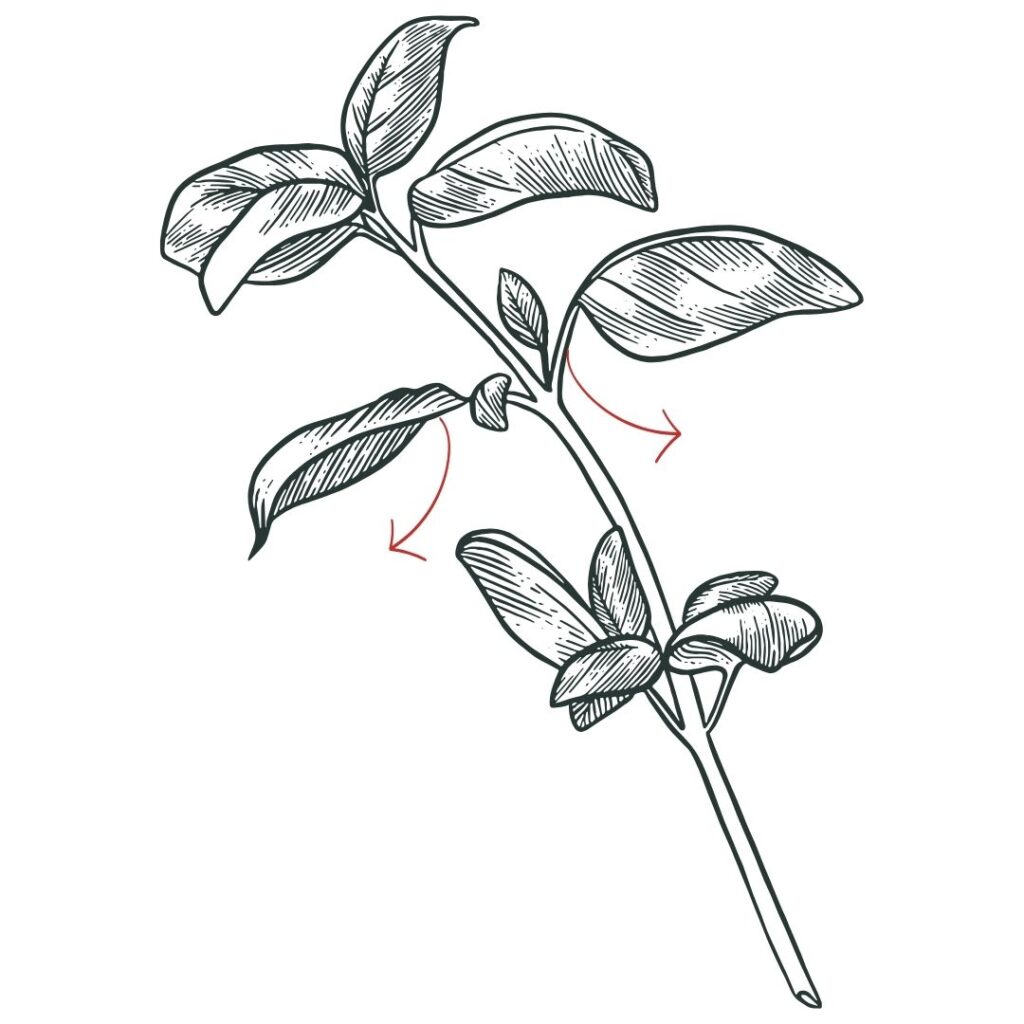
3. Pinch or Trim: Using sharp, clean scissors or your fingers, pinch or trim the stem just above the chosen node. This encourages branching and stimulates new growth.
4. Regular Maintenance: Make pruning a regular part of your basil care routine, especially during the growing season. Remove any flowers that prevent the plant from going to seed too soon.
The biggest leaves that grow on the bottom branches generate the most power for the plant, so you should rather harvest the smaller leaves on top for more growth.
Never prune more than a third of your plant at a time, or you risk damaging its future growth.
Unlocking the Secrets of Basil Propagation
1. Choose Healthy Parent Plants: Select vigorous, disease-free basil plants as your propagation candidates.
2. Select Propagation Method: Basil can be propagated from seeds, cuttings, or division. We’ll focus on propagating basil from cuttings for simplicity and quicker results.
3. Take Cuttings: Snip a 4- to 6-inch cutting from a healthy basil plant just below a node using sharp scissors. Remove any lower leaves to expose the nodes.
4. Rooting: Place the cuttings in a glass of water, ensuring that at least one node is submerged. Change the water every other day to prevent stagnation.
5. Transplanting: Once roots have developed (usually within 1-2 weeks), transplant the cuttings into a well-draining potting mix. Keep the soil consistently moist until the roots establish themselves.
Caring for Pruned and Propagated Basil Plants
– Sunlight: Basil thrives in full sunlight, so ensure your plants receive at least 6-8 hours of direct sunlight daily.
– Watering: Keep the soil consistently moist but not waterlogged. Water when the top inch of soil feels dry to the touch.
– Fertilization: Feed your basil plants with a balanced, water-soluble fertilizer every 2-3 weeks during the growing season to encourage healthy growth.
– Harvesting: Regularly harvest basil leaves to encourage new growth and prevent the plant from becoming woody. Pinch off leaves as needed, starting from the top of the plant.

You may also like
More Than Just a Spice: The Healing Science of Rosemary

Drought-Tolerant Plants for Hot, Dry Gardens