 English
 Türkçe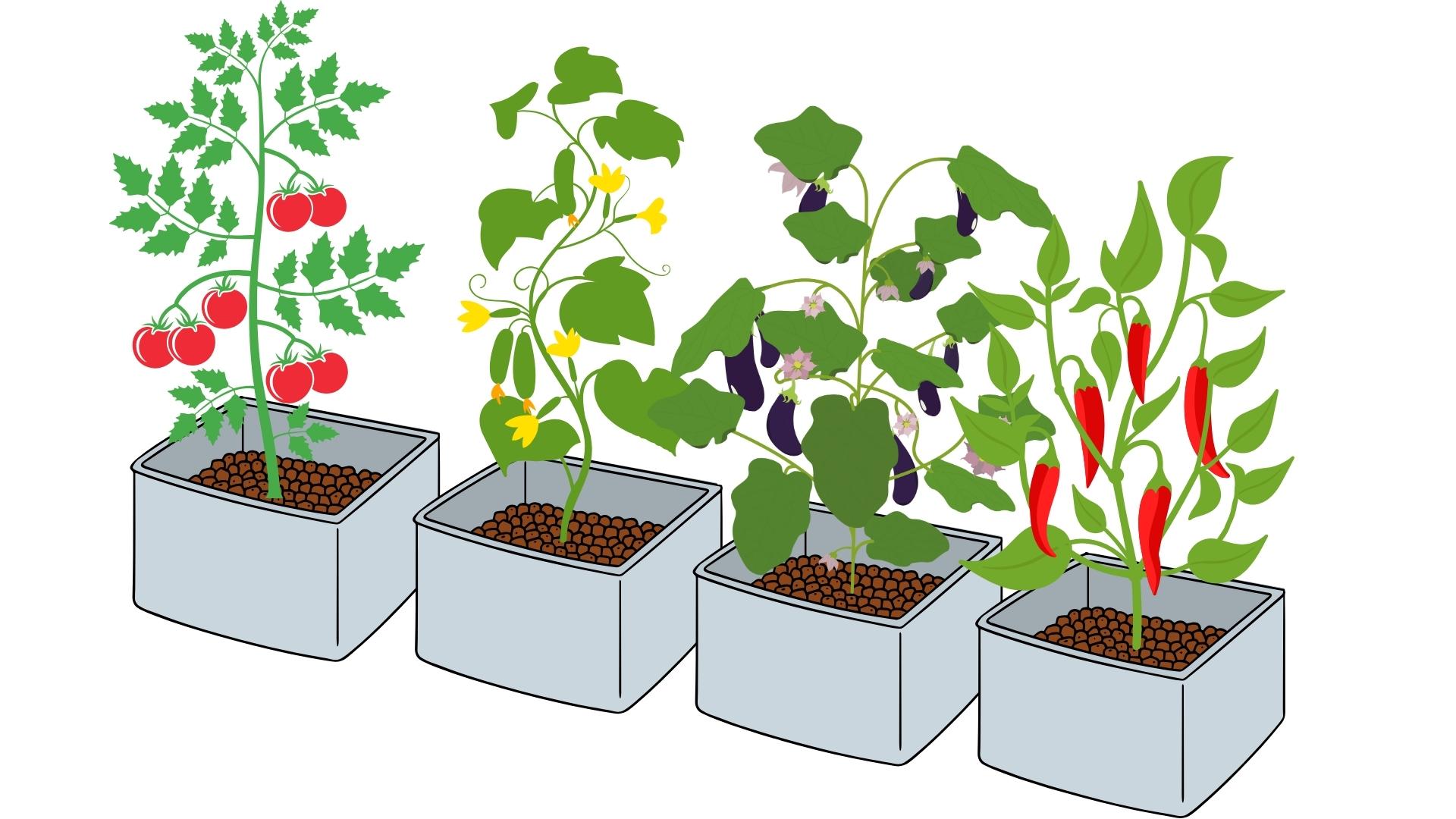
Dutch Bucket (Bato Bucket) For Beginners
Hydroponic systems are soilless agriculture systems that have been developed for many years in order to find solutions to critical problems such as water scarcity, rapid population growth, inefficiency, and the destructive effects of conventional agriculture on fertile soils and water resources. These techniques have many advantages such as 90% less water consumption, space savings provided by vertical systems, high efficiency, less need for pesticides, workload savings and very low environmental effects.
There are various methods of soilless agriculture, examples of which are NFT (Nutrient Film Technique), DWC (Deep Water Culture), Dutch or Bato Bucket.
In this post, we will talk about the Dutch Bucket system, which is easy to implement, has high scalability-flexibility and can fit a large number of plants.
What is Dutch Bucket?
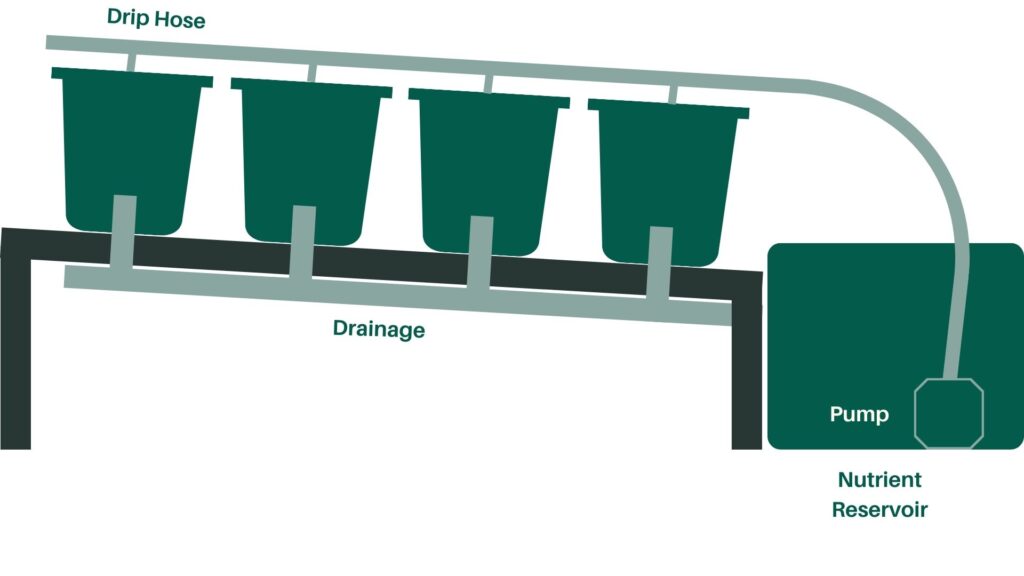
Dutch Bucket is essentially a variation of the Flood and Drain method and works on the same principle – nutrient water is automatically pumped from the top into the buckets where the plant is planted, and then automatically flows back into the hopper at regular intervals.
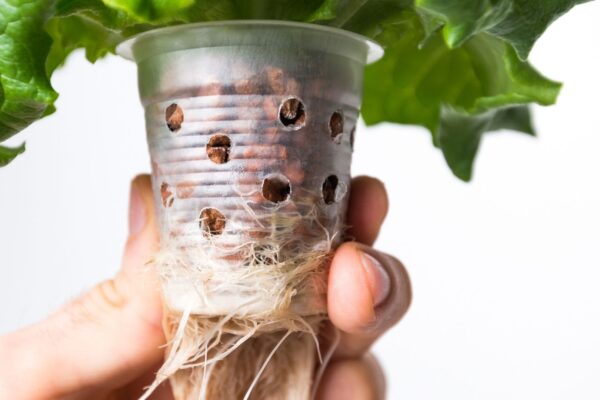
These buckets are filled with a media that allows plant roots to aerate, reach and hold moisture. The ideal materials used in this method are Perlite, Clay Ball (Hydroton), Vermiculite, and Coconut Fibers.
Through a large reservoir that holds the nutrient water and houses a submersible pump, the nutrient water is pumped into these buckets at regular intervals and returns to the reservoir through a drainage pipe, overflowing from about 3-4 cm below the buckets.
As a result, nutrient solutions are not lost during the irrigation and feeding process, making this an effective circulation technique.
When to Use Dutch Bucket
Because of the way it’s constructed, a wide variety of plants can be grown in a Dutch Bucket. But unlike many other hydroponic farming techniques, you can grow large, vine, fruit-bearing crops or vegetables and plants that require high amounts of nutrients, such as tomatoes, cucumbers, peppers, potatoes, squash, and beans.
Dutch Bucket Benefits & Advantages
- Ideal for bushy and hanging plants – Fruiting plants such as pepper, tomato, cucumber.
- Saves space for large crops.
- Flexible in size and installation. It can be scaled to any size that breeders desire.
- Suitable for pest management if it occurs in a single bucket since each bucket can be easily changed without affecting the entire system.
- Water and nutrients are not lost; unlike soil farming, they circle back to the reservoir.
- Easy to install and maintain.
Cons
Although it requires much less labor than conventional farming to achieve maximum potential, regular inspection and maintenance is required. Although you will spend very little time with the system to get success from this system, you will need to spend some time checking and maintaining the system. You will also need to periodically adjust or replace the food and water in the reservoir.
In the event of contamination in the reservoir, the entire system can be affected. This risk can be avoided by dividing large systems to feed from different reservoirs.

You may also like
Kratky Method in Hydroponics
Factual Comparison of Hydroponics vs Soil